How to Choose the Right Autism Therapy for Your Child
Your child's autism spectrum disorder (ASD) diagnosis may come with a folder of paperwork, a few referrals, and plenty of unfamiliar terms. Many families leave that appointment with one question on repeat: What do we do now?
Blog

Treatment for Autism in Toddlers: A Guide to Early Intervention
Learn about treatment for autism in toddlers, early intervention options, ABA therapy, diagnostic support, and how ABC can help your family get started.
Blog

What Happens After an Autism Diagnosis? A Guide for Parents
After an autism spectrum disorder (ASD) diagnosis, a lot of parents ask the same question: what do I do now? Once the evaluation is over and the results are in, the next steps can feel unclear.
Blog

What Are the Early Signs of Autism in Toddlers? A Guide for Philadelphia Parents
If something about your child's development feels a little different, you're probably paying close attention. Listen to that instinct. Knowing what early signs of autism spectrum disorder (ASD) in toddlers may look like can help you decide when to talk with your pediatrician and what steps to take next.
Blog

Why Do Some Autistic Children Avoid Eye Contact?
Have you ever noticed your child looking away during a conversation or rarely making eye contact? Eye contact is one of the ways children connect and communicate, but it does not come naturally to every child. For some autistic children, making eye contact can feel uncomfortable, distracting, or overwhelming.
Blog

Autism and Sleep: Safe Strategies for Sleep Challenges
Sleep challenges are one of the most common concerns we hear from families of children diagnosed with autism spectrum disorder (ASD). Whether your child struggles to fall asleep, wakes up frequently during the night, or rises earlier than anyone would like, you're not alone.
Blog
Sensory Differences and Autism: A Parent’s Guide
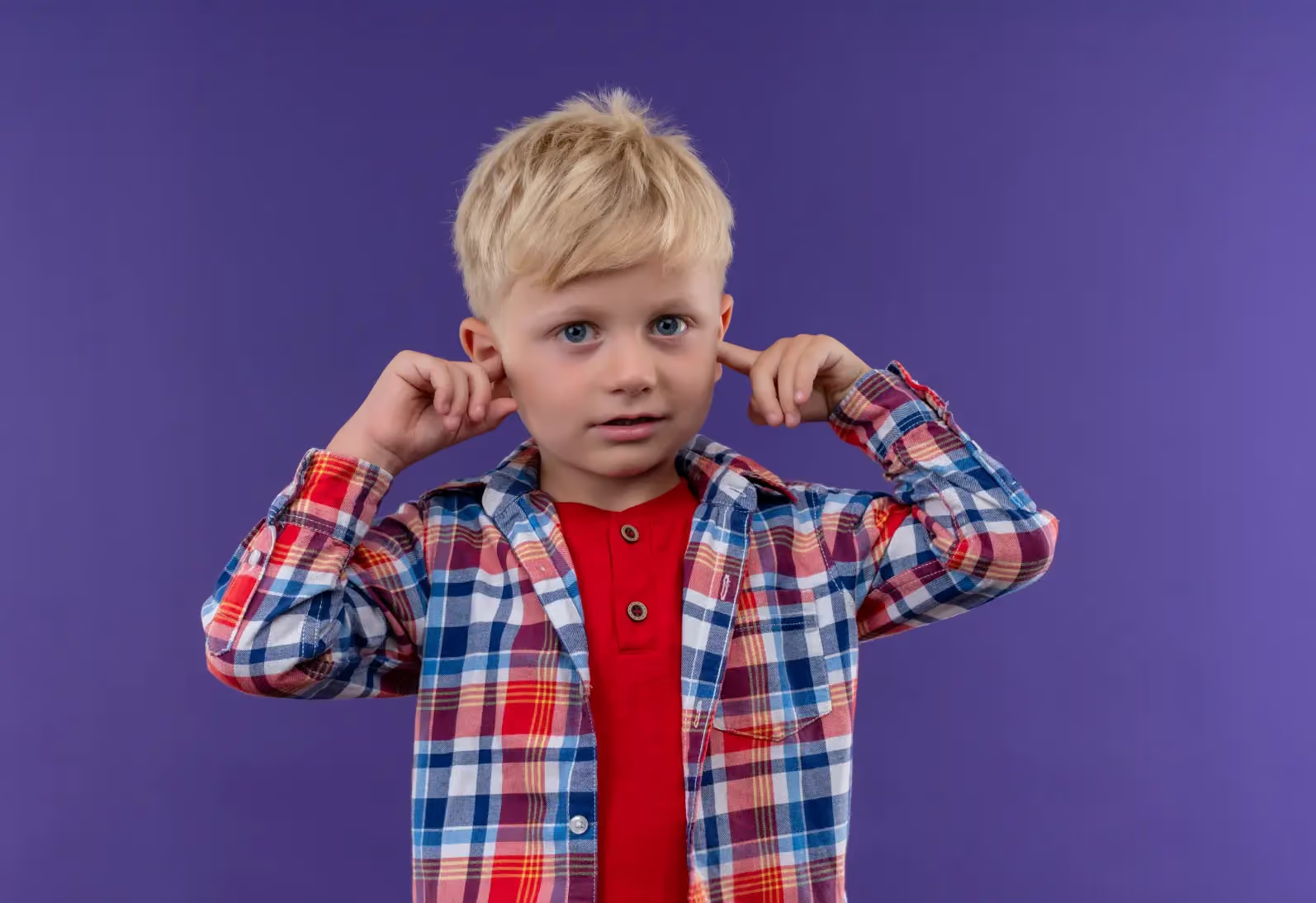
Many children diagnosed with autism spectrum disorder (ASD) experience the world differently through their senses. Sounds, textures, lights, movement, and touch can feel more intense, less noticeable, or simply different from their peers. These differences are known as sensory sensitivities, and understanding them can help parents and caregivers support their child best.
Blog
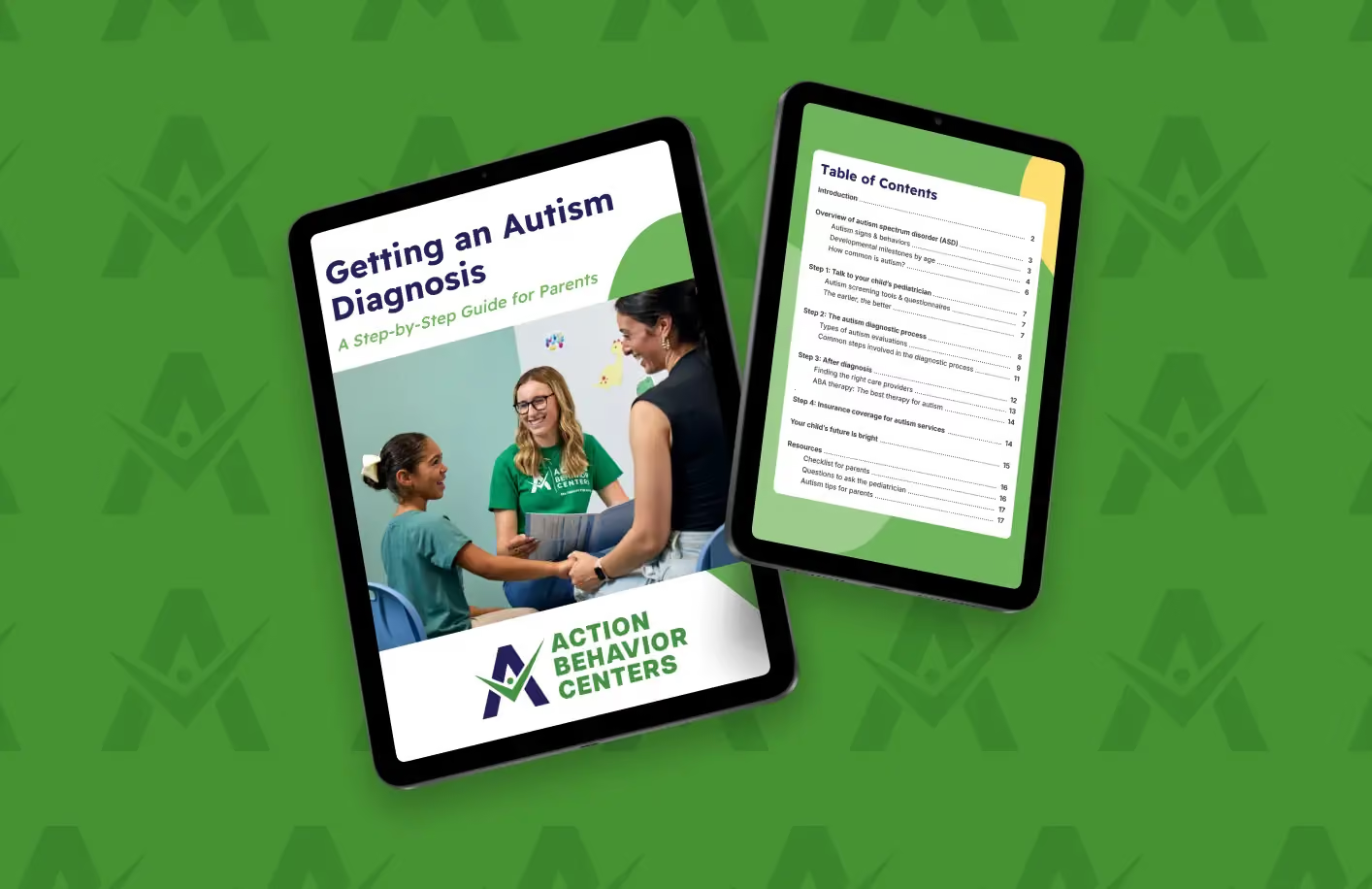
Getting An Autism Diagnosis Ebook
If you're unsure about the next steps, understanding the autism diagnosis process is a great place to start.
eBook

9 Tips for Communicating with Children Diagnosed with Autism
Communication is one of the most important skills a child can learn. It helps them build relationships, express their needs, and connect with the world around them. For children diagnosed with autism spectrum disorder (ASD), communication may look different. Before exploring practical strategies, it helps to understand how autism can shape the way a child communicates.
Blog
How Many Children Have Autism?
Autism spectrum disorder (ASD) affects how a child communicates, interacts socially, and processes the world around them. But just how common is autism today?
Blog
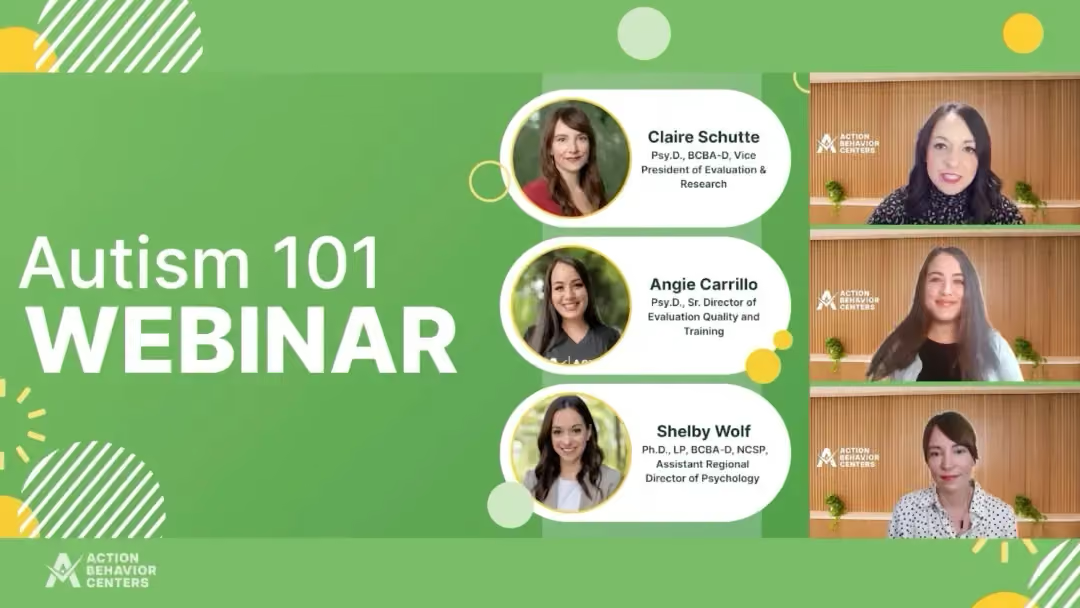
Autism 101: What Families Need to Know
Looking for a clear explanation of autism spectrum disorder (ASD)? In this on-demand webinar, clinical experts from Action Behavior Centers walk through early signs of autism, what "the spectrum" means, and how families can start conversations about screening and evaluation. Submit the form to get instant access and watch anytime.
Webinar

Famous People with Autism Spectrum Disorder
From scientists to artists, famous people with autism have made a lasting impact. Learn about their achievements and contributions to the world!
Blog

What Is Regression in Autism Spectrum Disorder (ASD)?
Autism spectrum disorder (ASD) is a neurodevelopmental condition that affects communication, social interaction, and behavior. Today, about 1 in 31 children is diagnosed with autism.1 While many children make steady progress with early intervention, some may go through a period called regression. Understanding autism regression helps parents, caregivers, and educators know how to support children when this happens.
Blog

Q&A with a Psychologist: Common Autism Questions Answered
Curious about autism? Our Q&A with licensed psychologists at Action Behavior Centers answers common questions about autism spectrum disorder, early signs, diagnosis, ABA therapy, and support levels—empowering families to take the next step with confidence.
Blog

The Infinity Symbol for Autism: Moving Toward Inclusion and Acceptance
Discover the meaning behind autism symbols, including the rainbow infinity symbol, and how Action Behavior Centers supports autism acceptance through inclusive care and ABA therapy for autistic children.
Blog
-1%20(1).avif)
Navigating Autism: Recognizing Signs and Choosing the Right ABA Therapy in Chicago
Recognizing early autism signs is key to getting the right support for your child. Learn how ABA therapy in Chicago can help your child reach milestones.
Blog
.avif)
Autism Vs. ADHD: What Parents Should Know
Autism and ADHD share similarities but have key differences in symptoms, diagnosis, and treatment. Learn how to distinguish between the two conditions.
Blog

Power Ranger Helmet or Motorcycle Helmet? Sensory Choices
Understanding sensory needs is key for children with autism. See how one child’s choice of helmet sheds light on sensory preferences and self-expression.
Blog
Your child is accepted here
At Action Behavior Centers, we provide applied behavior analysis (ABA) therapy, a gold standard approach for helping children with autism. Our evidence-based therapies are carefully crafted to meet your child’s needs and unlock their strengths and abilities.