Autism and Sleep: Safe Strategies for Sleep Challenges

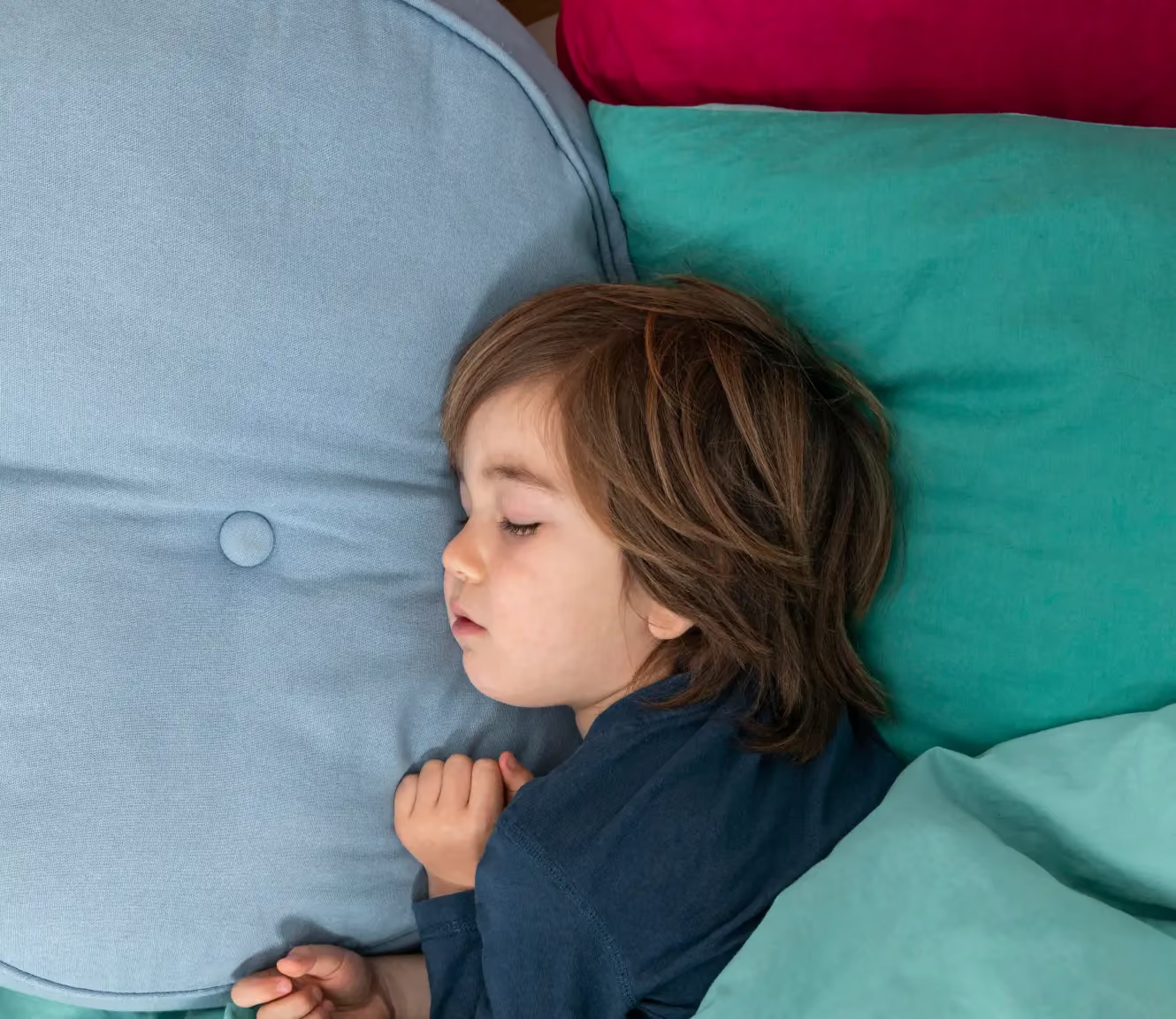
Sleep challenges are one of the most common concerns we hear from families of children diagnosed with autism spectrum disorder (ASD). Whether your child struggles to fall asleep, wakes up frequently during the night, or rises earlier than anyone would like, you're not alone.
Understanding what's behind autism and sleep disturbance, learning to spot triggers, building good sleep hygiene, and creating consistent routines can make a meaningful difference in how well your child rests and how your whole family feels during the day.
Do autistic children have trouble sleeping?
Yes, children diagnosed with autism often have sleep problems that look different from those of their neurotypical peers. Research shows that 50% to 80% of autistic children have sleep problems, compared to just 20% to 30% of neurotypical children. Over time, poor sleep hygiene and disrupted rest can cause daytime fatigue, irritability, and trouble focusing, making sleep support an important part of a child's overall well-being.1
What are common autism sleep challenges?
Autism and sleep disturbance can show up in several ways. Recognizing which patterns affect your child is a helpful first step. Common autism sleep issues include:
- Insomnia: Taking a long time to fall asleep at night
- Frequent night waking: Waking up during the night and having trouble falling back asleep
- Reduced total sleep: Getting less sleep overall than other children their age
- Early waking: Waking up too early and not being able to fall back asleep
- Restless sleep: Moving around a lot during sleep, snoring, or having night terrors
Spotting these patterns early can help parents step in before autism sleep problems get harder to manage.
How to create a safe, calming bedroom
A safe, calming bedroom environment is especially important for children who experience autism and sleep disorders or who wake frequently at night. Practical safety considerations include low-profile or floor beds, removing hazards like loose cords and small objects, and making sure there's enough clear space to prevent injuries during nighttime awakenings.
Beyond safety, the environment itself can encourage relaxation. Here's where to start:
1. Start with your child's sensory preferences
Before buying anything new, spend some time observing what your child responds to. What sounds, textures, or lights upset them? Do they seek movement, pressure, or enclosed spaces? Do they settle with dim lighting, or do they need total darkness?
2. Choose calming colors
Color can have a real effect on mood for some children. Soft, muted tones like light blue, green, beige, or gentle purple tend to work well. Avoid bright reds, oranges, stark whites, or busy patterns. Keep bedding simple, solid colors with minimal designs. A visually quiet room gives the brain space to slow down at bedtime.
3. Use soft, adjustable lighting
Lighting can either soothe or overstimulate. Maximize natural light during the day, then shift to warm-toned LED bulbs in the evening. Dimmer switches or soft bedside lamps are great for winding down. If outside light is an issue, blackout curtains can help. Avoid fluorescent bulbs, which can flicker or hum in ways that are hard for some children to tune out.
4. Limit electronics in the bedroom
Keep gaming systems, computers, and smartphones out of the sleep space. If it's helpful, a white noise machine or a gentle light projector can serve as a calming tool. Organizing cords reduces clutter and visual distraction.
5. Support sensory comfort
Soft sheets in neutral tones, a bean bag, a crash pad, or a cozy corner for decompression can all help. Choose flooring carefully: soft carpet or quieter vinyl can reduce noise, while bold patterns are worth avoiding. Introduce changes gradually and pay attention to how your child responds.
Sensory Differences and Autism: A Parent’s Guide
6. Keep the space organized and predictable
Clutter can increase feelings of anxiety in some children. Labeled, non-see-through storage bins reduce visual chaos. Limit wall décor to one calming image per wall. When possible, place the bed against a solid wall, away from windows and doors, to give your child a greater sense of security.
How to identify sleep triggers in autism
Sleep issues in autism often have an underlying cause, though pinpointing it can take some time and patience. Tracking patterns over several nights can be a helpful starting point for parents.
- Keep a simple sleep log for several nights in a row
- Note daytime factors like naps, physical activity, and emotional stress
- Monitor food and drink intake in the late afternoon and evening
- Track how long it takes your child to fall asleep and what seems to help or delay it
- Look for patterns connected to weekends, travel, or routine changes
These insights may help families reduce triggers over time and adjust the sleep environment to better fit their child's needs. If you notice consistent patterns or have concerns, it may be worth bringing them up with your child's pediatrician.
Sleep hygiene for autism: building a bedtime routine that works
Keep the routine predictable and visual
Good sleep hygiene starts with predictability. Many children diagnosed with autism benefit from visual schedules that walk through each step of the bedtime routine. A simple picture chart can reduce anxiety by helping your child know exactly what comes next. Follow the same sequence every night, such as bath, pajamas, teeth brushing, reading, then lights out. Keeping bedtime and wake time consistent, even on weekends, helps regulate your child's internal clock and is one of the most effective sleep hygiene habits families can build.
Build in a calm-down transition period
Avoid stimulating activities for at least 30 to 60 minutes before bed. This buffer gives your child's nervous system time to slow down. Swap out screens, rough play, and loud toys for reading, soft music, gentle stretching, or quiet sensory activities. This transition period is a key part of good sleep hygiene for autistic children.
10 At-Home Sensory Activities for Autistic Children
Support sensory comfort
Make sure pajamas, bedding, lighting, and room temperature are all comfortable for your child. Small discomforts like scratchy fabric, a bright hallway light, or background noise can make falling asleep much harder. Adjusting the environment to match your child's sensory profile makes the whole bedtime routine smoother and more predictable.
The role of ABA therapy and Family Guidance in sleep support
Applied behavior analysis (ABA) therapy is a science-based approach that uses the science of learning and positive reinforcement to help autistic children build meaningful skills for everyday life. A Board Certified Behavior Analyst® (BCBA®) designs each child's individualized goals in collaboration with their family. Through evidence-based teaching methods like Discrete Trial Teaching (DTT) and Natural Environment Teaching (NET), ABA therapists help children build skills in communication, independence, and social interaction, one step at a time.
When it comes to autism and sleep, BCBAs start by looking at what's driving the problem. They may use a sleep log or behavior assessment to identify patterns and triggers before putting any plan in place. From there, they work with families during Family Guidance to build a gradual, step-by-step plan that fits the child's sensory needs, daily routine, and individualized goals.
ABA-informed sleep strategies may include:
- Fading techniques: Gradually shifting bedtime earlier or later to help a child's body adjust to a different sleep schedule
- Visual schedules and bedtime cues: Using picture-based routines to help children know what to expect and feel less anxious about the transition to sleep
- Positive reinforcement: Encouraging children to follow bedtime routines or stay in bed
- Sensory-informed supports: Adjusting the sleep environment to fit the child's needs, such as white noise or low lighting
Our Family Guidance sessions are designed to bring these strategies home, so the skills children build at the center carry over into everyday life, including bedtime.
Early Intervention With ABA Therapy: Why It Matters
Get started with ABA therapy for autism sleep challenges
Autism sleep problems are common, but families can reach meaningful outcomes with the right support in place. Take a quick online autism screener today, or contact an ABA therapy center near you to learn more. Milestone moments start here.
At Action Behavior Centers (ABC), we help children diagnosed with autism spectrum disorder (ASD) reach milestone moments. Compassionate care is at the heart of everything we do, and our highly trained clinicians deliver evidence-based applied behavior analysis (ABA) therapy tailored to each child’s unique needs.
Our autism services include diagnostic support, 1:1 individualized care, parent training, school readiness programs, and Early Intensive Behavioral Intervention (EIBI) across hundreds of centers in Arizona, Colorado, Illinois, Minnesota, North Carolina, and Texas. Because no family should have to wait for help, ABC offers immediate access to care. Contact us today to get started.