The Action Behavior Centers Blog
.webp)
Coordinated Autism Care: How ABC Connects ABA Therapy with Outside Specialists


What Happens After an Autism Diagnosis? A Guide for Parents
After an autism spectrum disorder (ASD) diagnosis, a lot of parents ask the same question: what do I do now? Once the evaluation is over and the results are in, the next steps can feel unclear.
Blog

What to Expect From Autism Testing in Chicago
Deciding to pursue autism testing for a child is a big step, and it often comes with a lot of questions. What does an autism evaluation in Chicago actually involve? How long does it take? What happens next if your child receives a diagnosis?
Blog

How ABA Can Support Smoother Mealtimes for Autistic Children
Autistic eating behavior shows up differently in every child, and the patterns that emerge around food, whether it's refusing certain textures, insisting on the same meal every night, or becoming distressed when something on the plate looks unfamiliar, are among the most common concerns families bring to us.
Blog
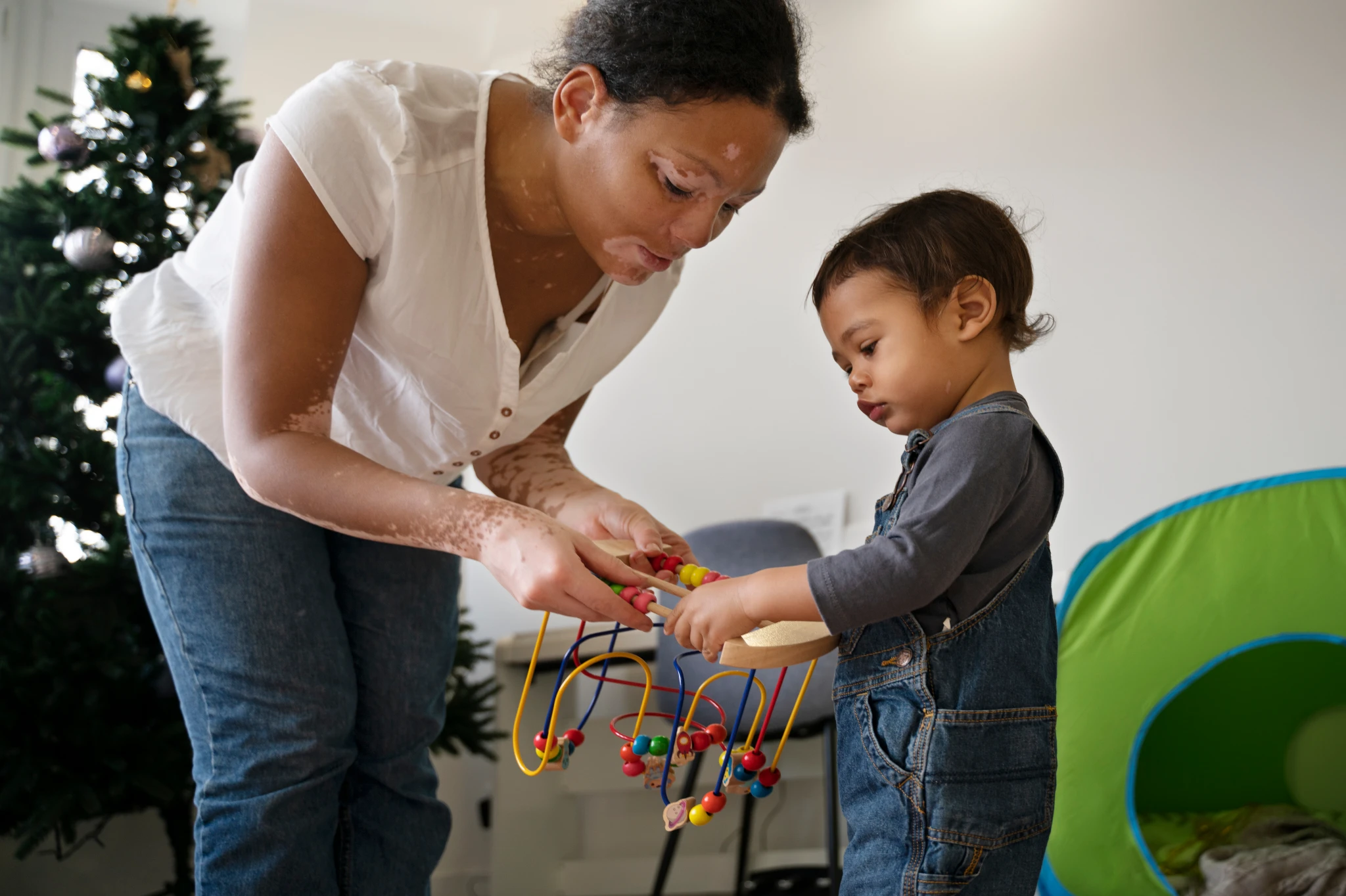
How Is Autism Diagnosed in Children? What Twin Cities Parents Need to Know
Maybe your toddler doesn't turn around when you call their name. Or your preschooler gets really upset if their bedtime routine changes. If you've started noticing things like this and wondering if your child might be autistic, take a breath. What should you do first if you notice possible signs of autism?
Blog
Coordinated Autism Care: How ABC Connects ABA Therapy with Outside Specialists
Raising a child diagnosed with autism spectrum disorder (ASD) means building a team. Applied behavior analysis (ABA) therapy may be at the center of your child's support, but many autistic children also benefit from speech therapy, occupational therapy, feeding therapy, or physical therapy alongside it.
Blog

What Are the Early Signs of Autism in Toddlers? A Guide for Philadelphia Parents
If something about your child's development feels a little different, you're probably paying close attention. Listen to that instinct. Knowing what early signs of autism spectrum disorder (ASD) in toddlers may look like can help you decide when to talk with your pediatrician and what steps to take next.
Blog

Do You Need a Referral for ABA Therapy?
If you've recently been told your child may be autistic, or if you've been navigating the diagnostic process for a while now, you've probably heard about applied behavior analysis (ABA) therapy. But do you need a referral before your child can begin ABA therapy?
Blog
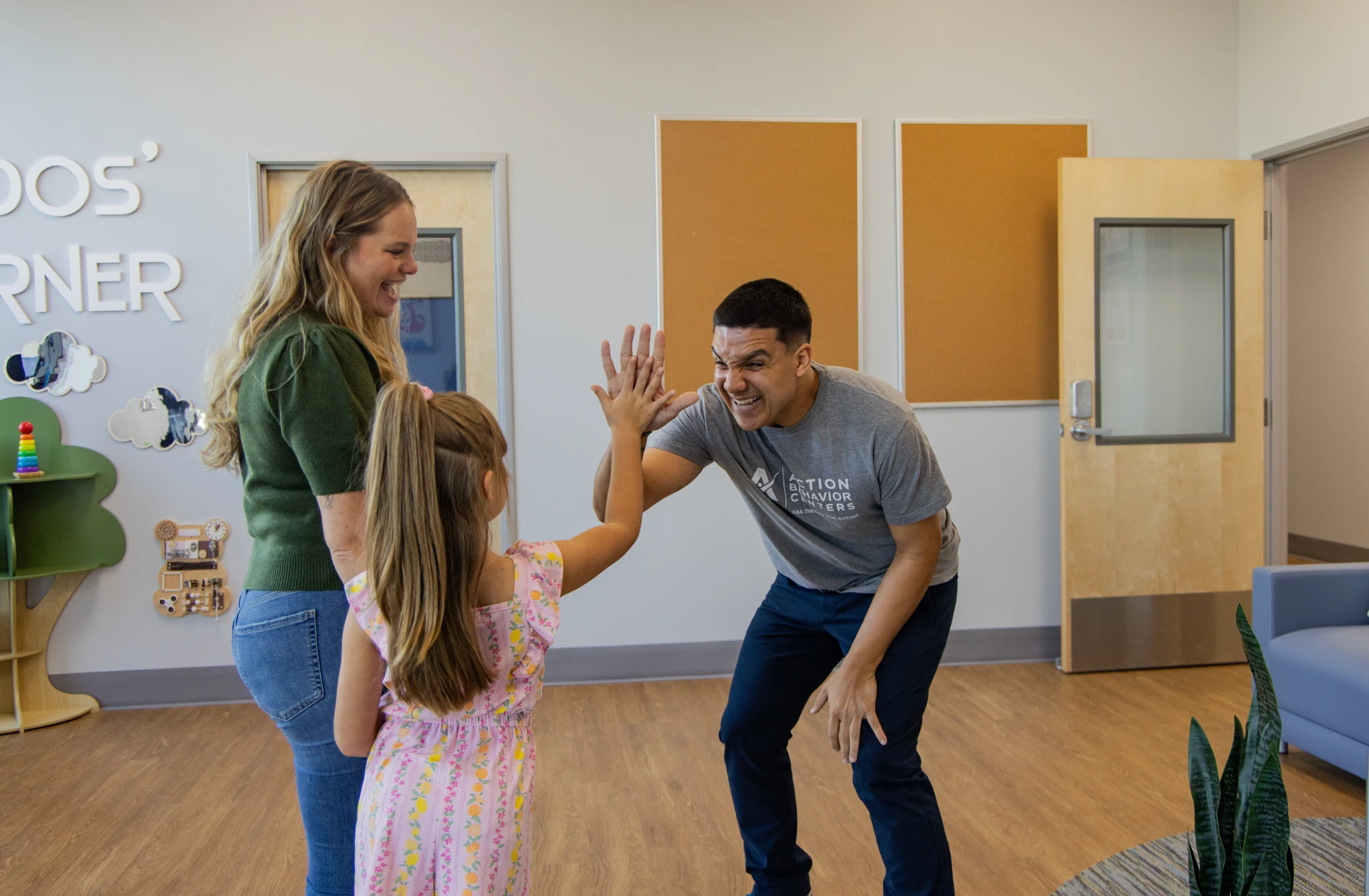
The Role of Positive Reinforcement in ABA Therapy for Autism
Positive reinforcement is one of the most important applied behavior analysis (ABA) therapy strategies used to help children diagnosed with autism spectrum disorder (ASD) build functional skills for everyday life. When reinforcement is thoughtful, individualized, and connected to what a child actually finds meaningful, real skills begin to stick!
Blog

Your Guide to Autism Research, Books, & Trusted Organizations
Finding reliable information about autism spectrum disorder (ASD) can feel overwhelming, especially when you're in the middle of navigating a new diagnosis or looking for the best support for your child. There's a lot out there, and not all of it is created equal.
Blog

Get Answers Here: ABC's Family Resource Hub is Now Live
Whether you're just beginning to explore what autism means for your child, what happens after an autism diagnosis, or you're already in applied behavior analysis ABA therapy and looking to go deeper, our resource hub is here for you!
Blog

Advocacy Starts Here: ABC's Family Advocacy Hub Is Now Live
You already advocate for your child every day. You ask questions at doctor appointments. You share what's working at home and what isn't during Family Guidance. You show up, speak up, and push for what your child needs. That kind of advocacy is powerful, and it's exactly what our Family Advocacy team is here to support.
Blog

Questions Parents Should Ask When Choosing an ABA Therapy Program
When your child is diagnosed with autism spectrum disorder (ASD), one of the first things you might hear from your pediatrician is a recommendation for applied behavior analysis (ABA) therapy. Knowing what to ask can help you feel a lot more confident as you compare your options.
Blog

How Often is ABA Therapy for Children? What Parents Really Want to Know
When families start looking into applied behavior analysis (ABA) therapy after an autism diagnosis, one of the first questions they ask is: how often will my child go?
Blog

Teaching Life Skills for Autism: Helpful Tips for Parents
As a parent, you already teach your child something new every single day. But if your child has been diagnosed with autism spectrum disorder (ASD), some of those everyday skills, like washing hands, getting dressed, or asking for help, may need to be taught in a more intentional way. That doesn't mean anything is wrong with how you're approaching it. It just means your child may need clearer steps, more consistent practice, and a little more time.
Blog
.jpeg)
ABC Opens Three Philadelphia-Area Locations, Partners with the Eagles Autism Foundation
Big news for Philadelphia-area families: Action Behavior Centers is officially open in Pennsylvania! We now have three centers in Horsham, Newtown, and King of Prussia, ready to welcome families from day one. Center-based applied behavior analysis (ABA) therapy and autism evaluations are available now, with no waitlists. Enrollment is open for autistic children ages 18 months to 8 years.
Blog

What to Expect During an ABA Therapy Evaluation
This evaluation is how your child's Board Certified Behavior Analyst® (BCBA®) learns about your child's specific needs, strengths, and goals before building a personalized plan for therapy. Knowing what to expect from this process can help your family feel more confident and prepared when the day arrives.
Blog
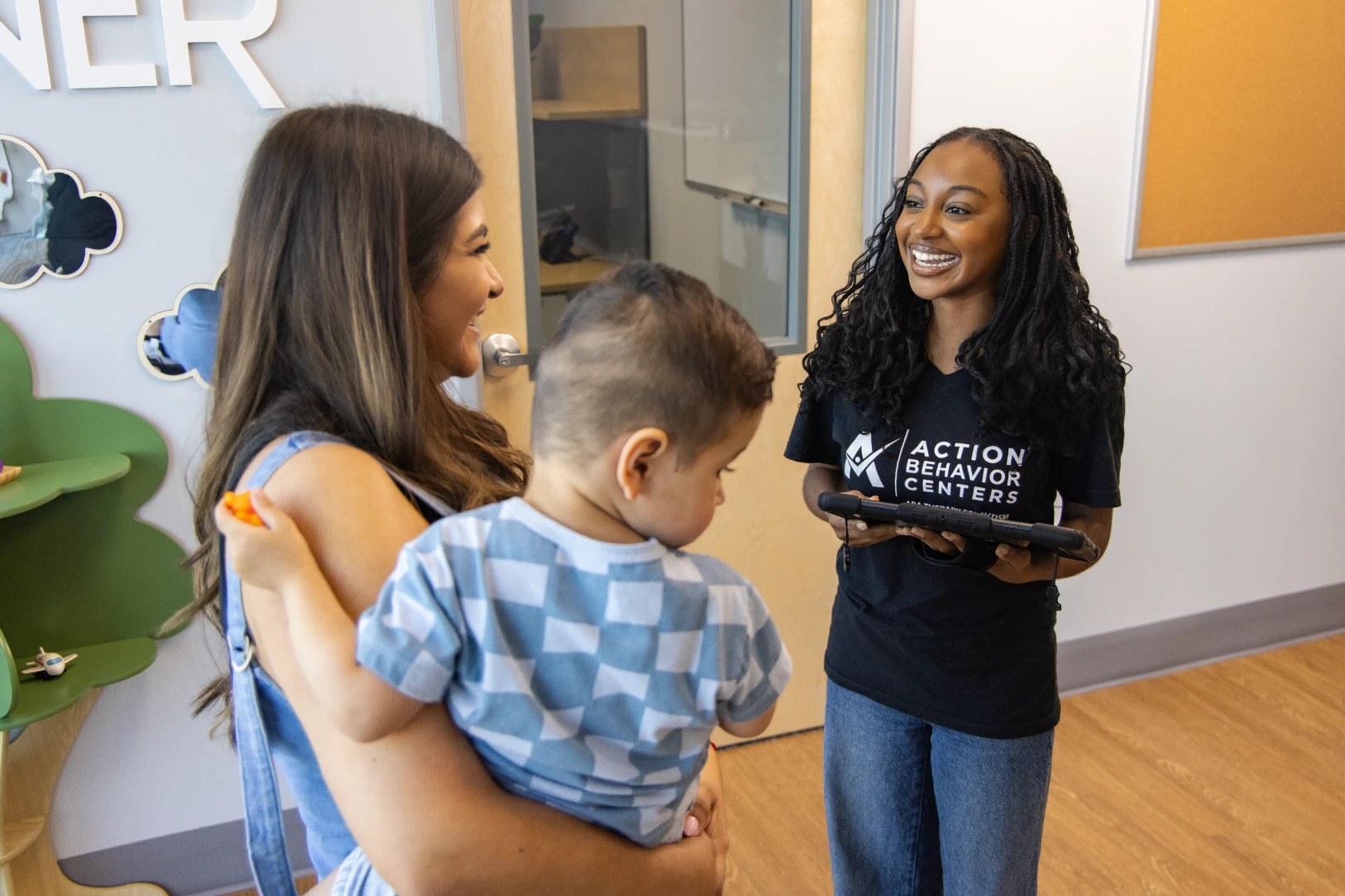
The Importance of Parent Involvement in ABA Therapy
When your child starts applied behavior analysis (ABA) therapy, growth doesn't stop when the session ends.
Blog

Why Do Some Autistic Children Avoid Eye Contact?
Have you ever noticed your child looking away during a conversation or rarely making eye contact? Eye contact is one of the ways children connect and communicate, but it does not come naturally to every child. For some autistic children, making eye contact can feel uncomfortable, distracting, or overwhelming.
Blog

Try another search!
We do not have any results for this search term.
Your child is accepted here
At Action Behavior Centers, we provide applied behavior analysis (ABA) therapy, a gold standard approach for helping children with autism. Our evidence-based therapies are carefully crafted to meet your child’s needs and unlock their strengths and abilities.

Get started with ABA therapy at Action Behavior Centers
Personalized ABA therapy for children with autism near you.