5 Autism-Friendly Halloween Ideas to Try at Home

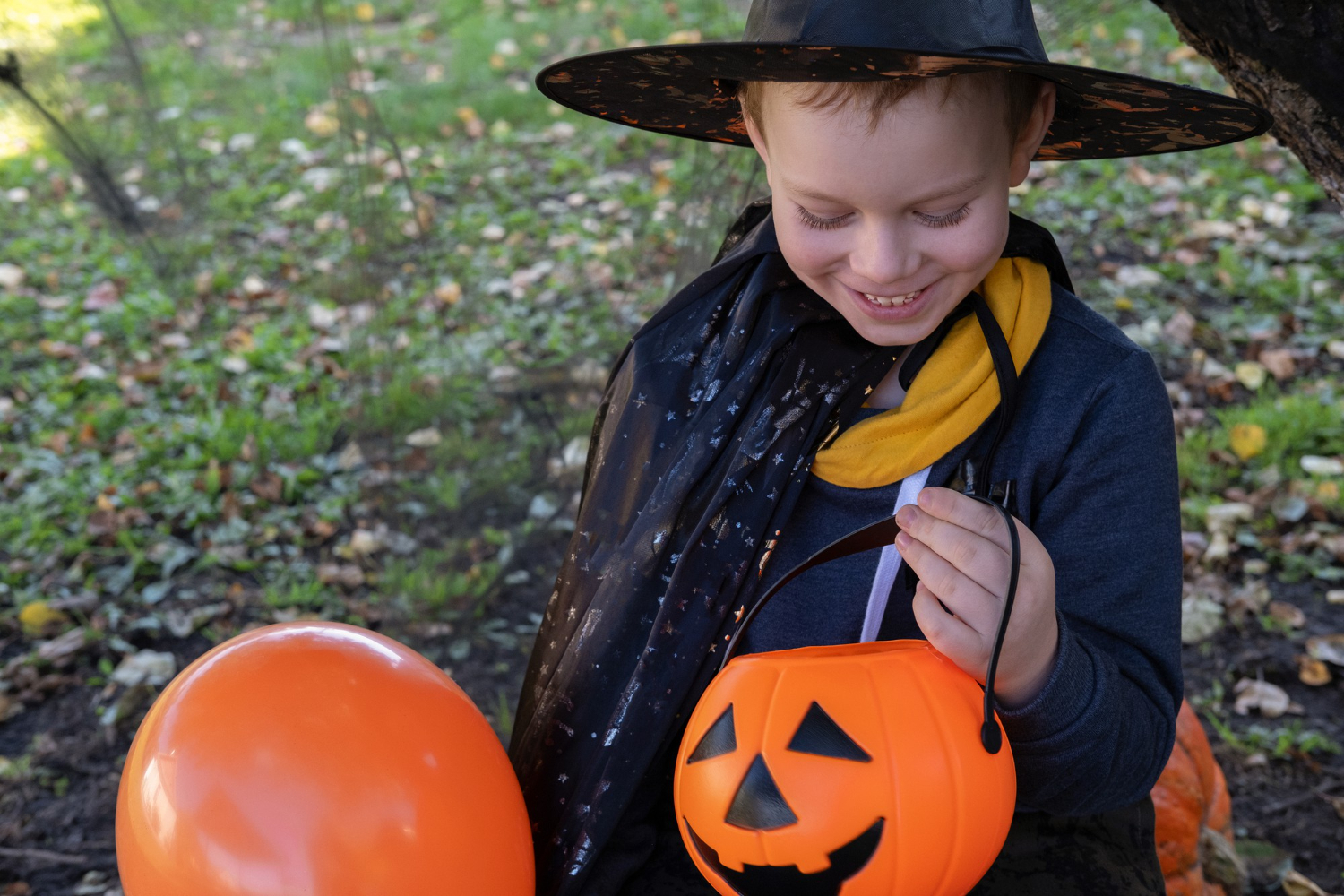
Halloween is full of bright costumes, spooky sounds, and sweet treats. For many families, it's one of the most exciting nights of the year. But for some children diagnosed with autism spectrum disorder (ASD), it can also feel loud, busy, and hard to predict.
The good news? Halloween doesn't have to look like everyone else's to be memorable. With a little planning, you can create an autism-friendly Halloween that fits your child's needs and still feels special.
Why Halloween can feel overwhelming for some autistic children
Every child diagnosed with autism is different. Some children love Halloween from start to finish. Others may need extra support with parts of the night. Knowing what might feel hard can help you plan around it.
Here are a few common reasons Halloween can be tough:
- Sensory overwhelm: Flashing lights, fog machines, loud sound effects, and itchy costumes can be a lot to take in.
- Changes in routine: Halloween often means a later bedtime, a different dinner time, and unfamiliar places.
- Social demands: Knocking on doors, talking to neighbors, and saying "trick or treat" over and over can take a lot of energy.
- Masks and costumes: Seeing friends, family, or strangers in masks may feel confusing or scary for some children.
- Uncertainty: Your child may not know what to expect at each house or event.
Five ways to celebrate a sensory-friendly Halloween at home
Halloween doesn't have to look the same for every family. If trick-or-treating feels overwhelming for your autistic child, there are plenty of ways to celebrate at home while creating fun memories together. At home, you can set the pace and keep lights and sounds at a level your child enjoys.
1. Set up a candy hunt around the house
Hide treats in easy-to-find spots and let your child search at their own speed. Use a simple map or picture clues to help guide the way. You can swap candy for small toys, stickers, or favorite snacks.
2. Give each room its own Halloween theme
Turn your home into a mini Halloween tour. One room could be a pumpkin patch, another a friendly ghost room, and another a space for Halloween crafts. Let your child help decide on each theme and decorate.
3. Have family members hand out treats from behind bedroom doors
This is a great way to practice trick-or-treating in a familiar space. Your child knocks, family members open the door, and everyone gets to join in. It's predictable and low-pressure, and you can stop or take breaks anytime.
4. Carve or paint pumpkins together
If your child likes messy textures, scooping pumpkin seeds can be a fun sensory activity. If not, try painting pumpkins or decorating them with stickers instead. Either way, it's a hands-on way to spend time together.
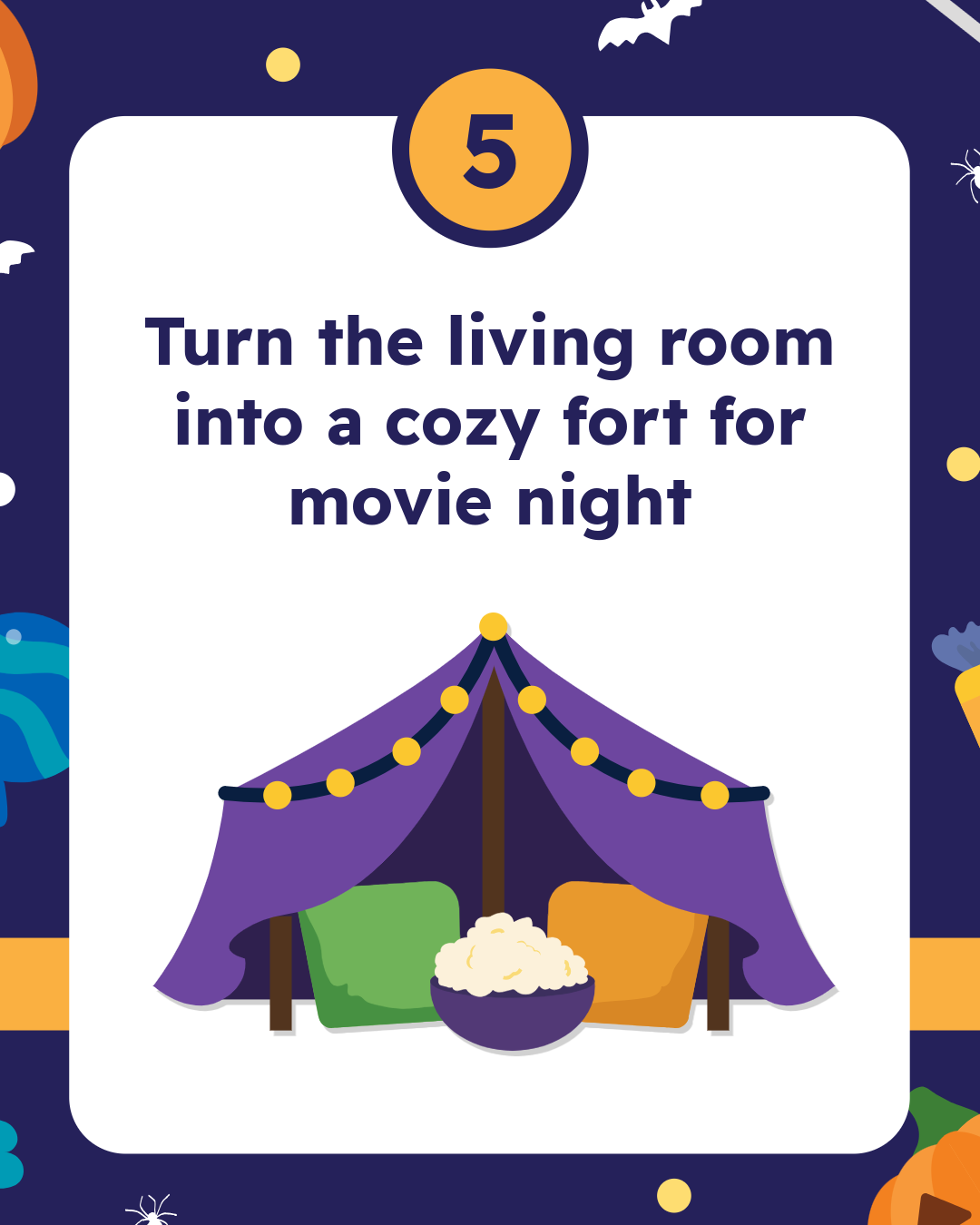
5. Turn the living room into a cozy fort for movie night
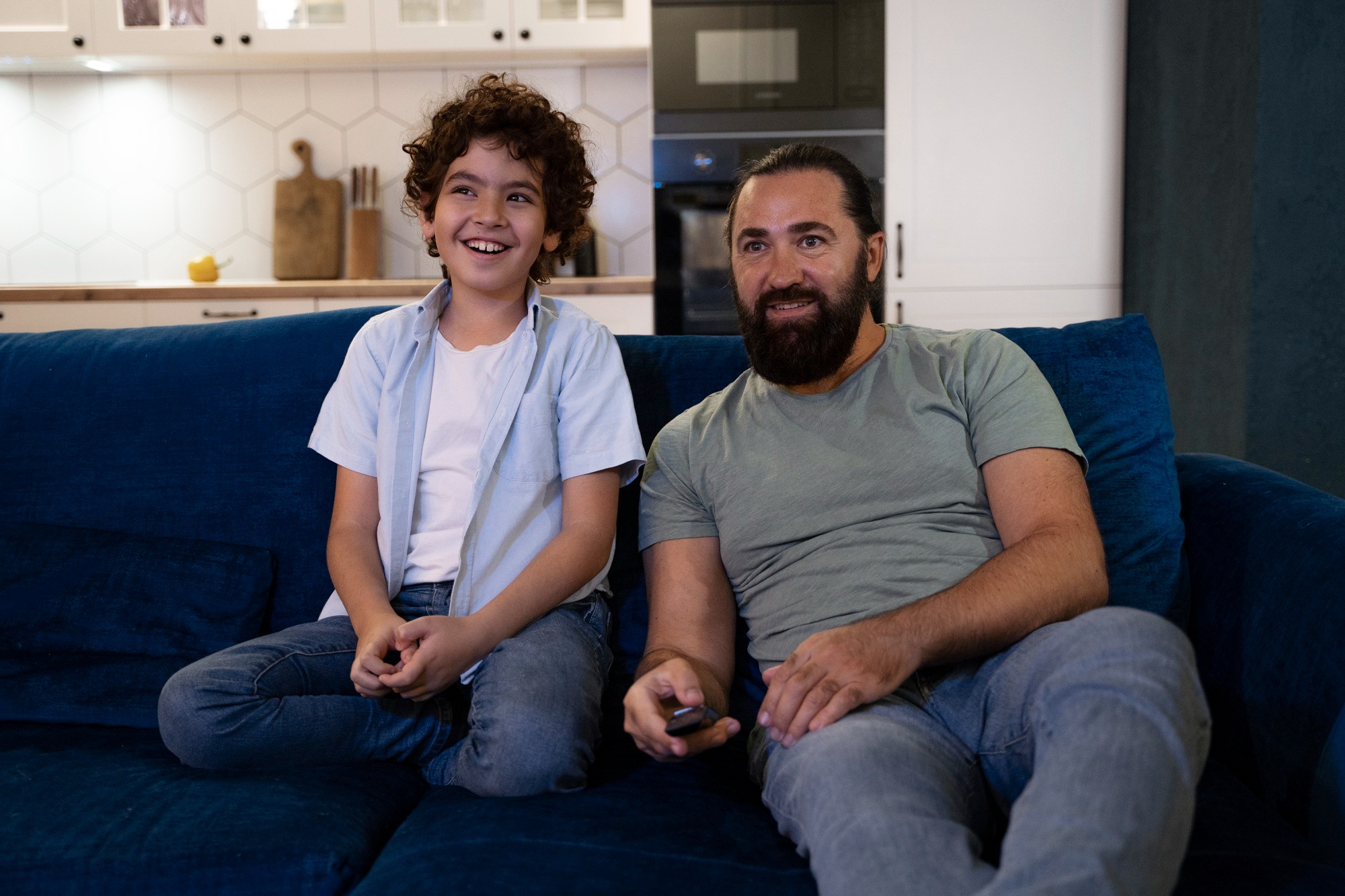
Grab blankets, pillows, and a favorite snack. Pick a Halloween movie that's more silly than scary, and keep the volume where your child is comfortable. Dim lighting and a cozy space can make the night feel calm and special.
How your ABA team can help you plan for Halloween
If your child receives applied behavior analysis (ABA) therapy, their team can help you get ready for holidays like Halloween. At Action Behavior Centers (ABC), Board Certified Behavior Analysts® (BCBAs®) and Registered Behavior Technicians® (RBTs®) work closely with your family to support skills that carry over into everyday life, including special events.
Depending on your child's individualized goals, your ABA team may help:
- Practice skills like waiting, taking turns, and greeting others
- Build tolerance for new clothing, sounds, or places in small, manageable steps
- Create visual schedules or social stories for upcoming events
- Share strategies to support emotion regulation when plans change
During twice-monthly Family Guidance sessions, your child's BCBA can talk through your Halloween plans with you and share ABC-recommended strategies you can use at home.
Frequently asked questions about autism-friendly Halloween
What is a sensory-friendly Halloween?
A sensory-friendly Halloween is a celebration planned to reduce sensory overload. It might include quieter activities, softer lighting, comfortable costumes, and fewer crowds.
How can I make trick-or-treating easier for my autistic child?
Prepare ahead with a social story or visual schedule, practice at home, and go out early before it gets dark. Keep the route short and agree on a way your child can tell you they're ready to go home.
What are some Halloween activities to do at home?
Try a candy hunt around the house, themed rooms, trick-or-treating from bedroom doors, pumpkin painting or carving, or a cozy movie night in a blanket fort.
Make Halloween your own this year
You know your child best. Plan around what they enjoy and celebrate the moments that matter to your family. Every child’s comfort level looks different, and it can change from year to year.
Looking for support beyond the holidays? Take your next step today:
- Take ABC’s no-cost autism screener to see if an autism evaluation may be a helpful next step for your child.
- Check your insurance coverage online to see what your plan includes.
- Find an ABA therapy center near you and meet the compassionate BCBAs and RBTs who can help your child build skills for home, school, and the community.
At Action Behavior Centers (ABC), we help children diagnosed with autism spectrum disorder (ASD) reach milestone moments. Compassionate care is at the heart of everything we do, and our highly trained clinicians deliver evidence-based applied behavior analysis (ABA) therapy tailored to each child’s unique needs.
Our autism services include diagnostic support, 1:1 individualized care, parent training, school readiness programs, and Early Intensive Behavioral Intervention (EIBI) across hundreds of centers in Arizona, Colorado, Illinois, Minnesota, North Carolina, and Texas. Because no family should have to wait for help, ABC offers immediate access to care. Contact us today to get started.