Transitioning From ABA Therapy to School: A Parent’s Guide


Starting school is a big milestone for any child. For children who have been receiving applied behavior analysis (ABA) therapy, this transition can feel especially meaningful, and sometimes a little overwhelming.
You may be wondering:
- Will my autistic child be ready for a classroom environment?
- How can I make the transition from ABA to school smoother?
- What autism support should I ask for at school?
At Action Behavior Centers, we work closely with families to help children diagnosed with autism spectrum disorder (ASD) prepare for school. With thoughtful planning and the right support, children can carry the skills they’ve built in ABA therapy into the classroom with confidence.
Why the transition from ABA therapy to school matters
ABA therapy helps children build foundational skills that support success in everyday environments, including school. These may include communication, social interaction, and daily routines.
The school setting, however, introduces new expectations. Children are often:
- Navigating unfamiliar routines
- Interacting with more peers at once
- Following group instructions instead of individualized prompts
- Adjusting to less direct support throughout the day
Because of these differences, preparation matters. A gradual, supported transition can help your child feel more comfortable and capable as they step into this new environment.
Start with open, supportive communication
Talking about school ahead of time gives your child space to process what’s coming. Even simple conversations can reduce uncertainty and help build confidence.
You might describe what a typical day looks like, who they might meet, or what they’ll do during different parts of the day. Some children benefit from visual schedules or social stories to make these ideas more concrete.
It’s also important to make space for your child’s feelings. They may feel excited, nervous, or unsure, sometimes all at once. Letting them know those feelings are okay, and that you’ll support them through the change, can go a long way.
Partner with your child’s ABA team
Your child’s Board Certified Behavior Analyst® (BCBA®) understands their strengths, progress, and areas where they may need continued support. That insight can be incredibly valuable during this transition. During Family Guidance, talk to your BCBA about your concerns before school begins. Your ABA team can help:
- Identify school-readiness goals
- Share strategies that have been effective in therapy
- Offer guidance on building consistent routines at home
When possible, collaboration between your child’s ABA team and school staff can help create continuity. The more aligned everyone is, the easier it is for your child to apply their skills across environments.
Build a relationship with the school team early
Connecting with your child’s teacher and support staff before the school year starts can make a meaningful difference. Sharing key information helps the school better understand how to support your child. This might include:
- How your child communicates
- What helps with transitions or changes in routine
- Strategies that support engagement or reduce frustration
- Any important safety considerations
If your child needs additional support, you can also request an evaluation through your school district to determine eligibility for an Individualized Education Program (IEP). Starting this process early can help ensure supports are in place when school begins.
Visit the school ahead of time
New environments can feel overwhelming, especially when everything is unfamiliar at once. Visiting the school ahead of time can help reduce that uncertainty. If possible, try to:
- Walk through the classroom and hallways
- Practice drop-off and pick-up routines
- Meet the teacher or support staff
- Visit shared spaces like the cafeteria or playground
Even one or two visits can help your child feel more comfortable when the first day arrives.
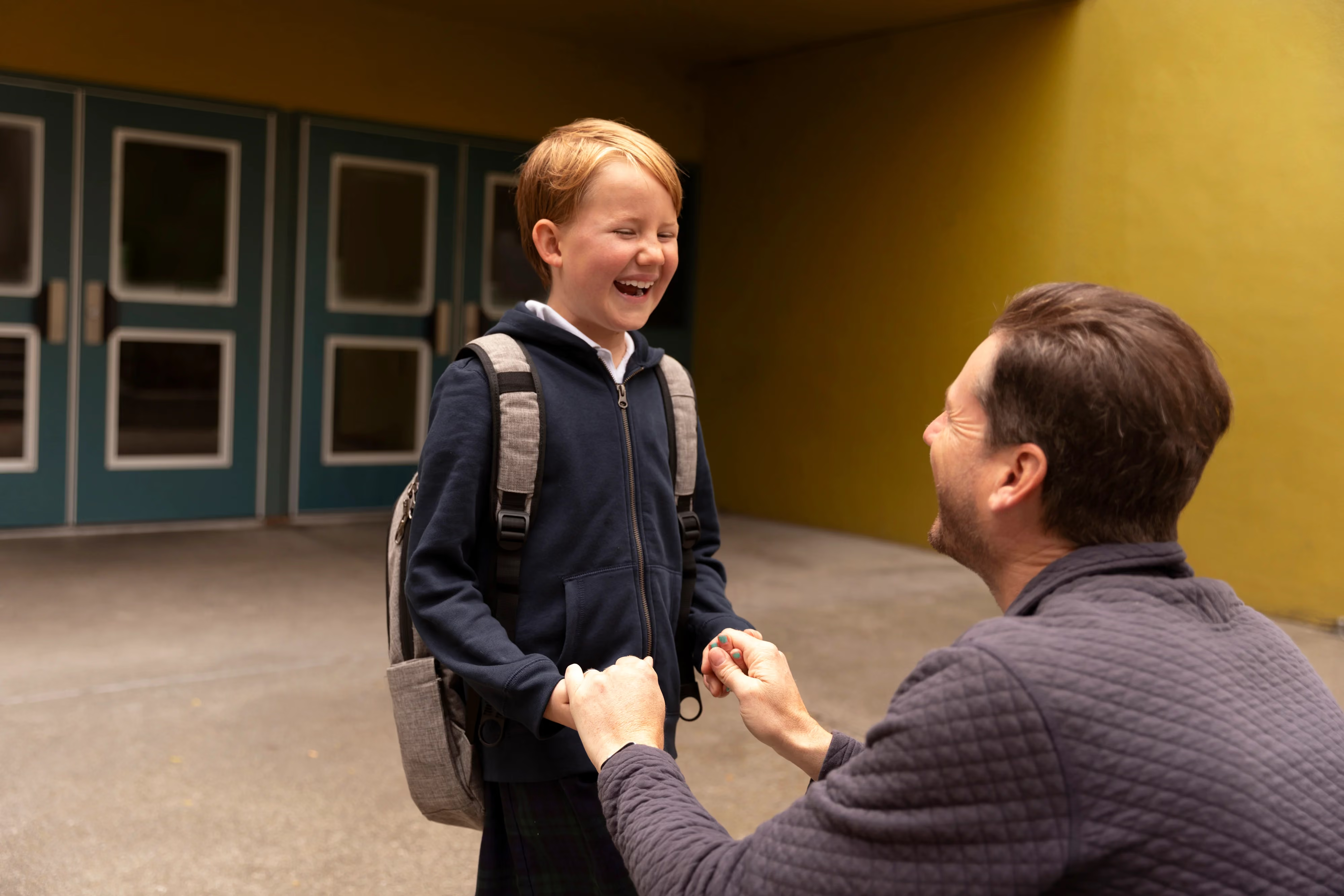
Practice school routines at home
Children often feel more confident when they know what to expect. Building simple routines at home can help ease the transition into a structured school day.
You might start by:
- Creating a daily schedule that mirrors a school routine
- Practicing transitions between activities
- Encouraging independence with tasks like getting dressed or packing a bag
- Introducing short periods of structured learning or focused play
These small steps can help your child become more familiar with the rhythm of a school day before it begins.
Support early social experiences
Social interaction is a big part of school, and for many children, it can take time to feel comfortable in these situations. Creating low-pressure opportunities to practice can help. This might look like:
- Spending time with peers in small, familiar settings
- Practicing turn-taking during play
- Talking about what friendships can look like
If your child is already working on individualized social goals in ABA therapy, continuing to support those skills at home can help them carry over into the classroom.
Celebrate every milestone moment
Transitions take time, and every step forward matters. Positive reinforcement helps children stay motivated and engaged as they adjust. You can support your child by:
- Recognizing effort, not just outcomes
- Celebrating small steps, like completing a routine or trying something new
- Using encouragement to build confidence
.jpeg)
Give your child time to adjust
It’s normal for there to be ups and downs during the transition between full-time ABA therapy and school. Over time, as routines become more familiar and expectations clearer, many children begin to feel more comfortable and confident.
Continuing support beyond the classroom
Even after starting school, many children continue ABA therapy to strengthen skills and support ongoing development. This continued support can make a meaningful difference as your child grows. ABA therapy can help children:
- Build communication and social skills
- Increase independence in daily routines
- Learn safer, more effective ways to get their needs met
- Navigate challenges that arise at school or at home
For families who need continued support, ABC Academy offers a continuation of care option for children ages 5–12 who attend school part-time or full-time while continuing to work toward their individualized goals.
Take the next step
If your child is preparing to transition to school or you’re exploring how ABA therapy can support school readiness, you don’t have to navigate it alone.
Action Behavior Centers provides evidence-based ABA therapy for children diagnosed with autism spectrum disorder, with individualized treatment plans designed to support meaningful skills for everyday life.
You can contact a center near you to:
- Learn more school readiness and ABC Academy
- Schedule a tour
- Talk through your child’s needs and next steps
- Explore insurance coverage and financial assistance options
We don’t have waitlists, so your child can get started right away. Contact us today!
At Action Behavior Centers (ABC), we help children diagnosed with autism spectrum disorder (ASD) reach milestone moments. Compassionate care is at the heart of everything we do, and our highly trained clinicians deliver evidence-based applied behavior analysis (ABA) therapy tailored to each child’s unique needs.
Our autism services include diagnostic support, 1:1 individualized care, parent training, school readiness programs, and Early Intensive Behavioral Intervention (EIBI) across hundreds of centers in Arizona, Colorado, Illinois, Minnesota, North Carolina, and Texas. Because no family should have to wait for help, ABC offers immediate access to care. Contact us today to get started.
.avif)
.avif)