Sensory-Friendly Holiday Activities for Autistic Children

.avif)
The holidays are a wonderful time to create traditions, share milestone moments, and make new memories as a family. While the holiday season can bring excitement, it can also include bright lights, loud sounds, and busy environments that may feel overwhelming for some children diagnosed with autism spectrum disorder (ASD).
At Action Behavior Centers, we believe every child deserves to experience the joy of the season in a way that feels comfortable and fun. With a little planning and creativity, your family can enjoy holiday activities that support your child’s sensory needs and spark new traditions to look forward to each year.

Explore sensory-friendly holiday fun
Below are some autism-friendly holiday activities that can bring your family together while keeping things calm, predictable, and full of joy.
Take a holiday lights tour
Strolling through a tunnel of lights can be magical, but if bright or crowded spaces feel overwhelming, try a drive-through light show instead. Your child can wear their favorite pajamas, enjoy a snack, and watch the lights from the comfort of your car. You can even play holiday music or tune in to stations some light shows coordinate with for a synchronized experience.
Visit a Caring Santa event
Many Simon Malls host Caring Santa, a sensory-friendly photo experience designed for autistic children and children with disabilities. Families can reserve a private session where the lights are dimmed, the music is soft, and Santa takes time to connect at your child’s pace. Visit your local Simon Mall’s website to learn more or book a session in advance.
Attend a sensory-friendly Nutcracker performance
Ballet companies across the U.S., including the IM Terrell Performing Arts Center in Fort Worth, Texas, now offer shorter, sensory-adapted performances of “The Nutcracker.” These shows adjust lighting and sound levels to make the experience enjoyable for neurodivergent children and adults, allowing families to enjoy this holiday classic in a welcoming environment.
Watch a movie at Studio Movie Grill
Studio Movie Grill hosts special Special Needs Screenings where lights stay on, the sound is lower, and children are free to move, talk, or dance. These showings are offered on select Saturdays at 11:00 a.m. at all SMG locations. Tickets are no-cost for children with disabilities and their siblings, with discounted adult tickets available. Contact your nearest location for details.
Make your own play snow
If you don’t live where it snows, you can create your own winter wonderland indoors! Mix baking soda and white hair conditioner to make soft, moldable “snow.” Add ice cubes to build igloos or bring out toy animals for extra fun. This hands-on activity is great for sensory play and fine motor practice. See the full instructions here.
Read holiday stories in a blanket fort
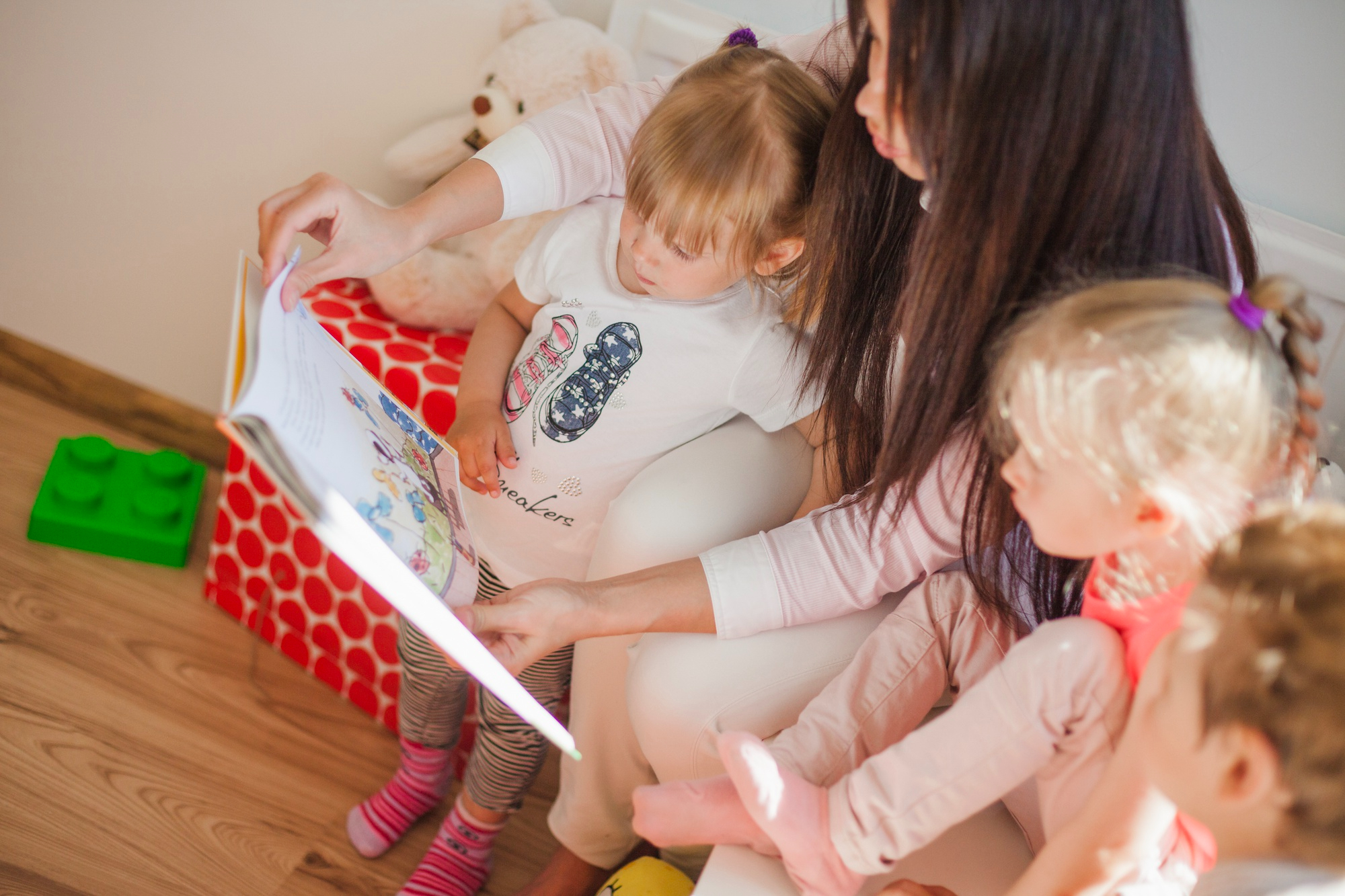
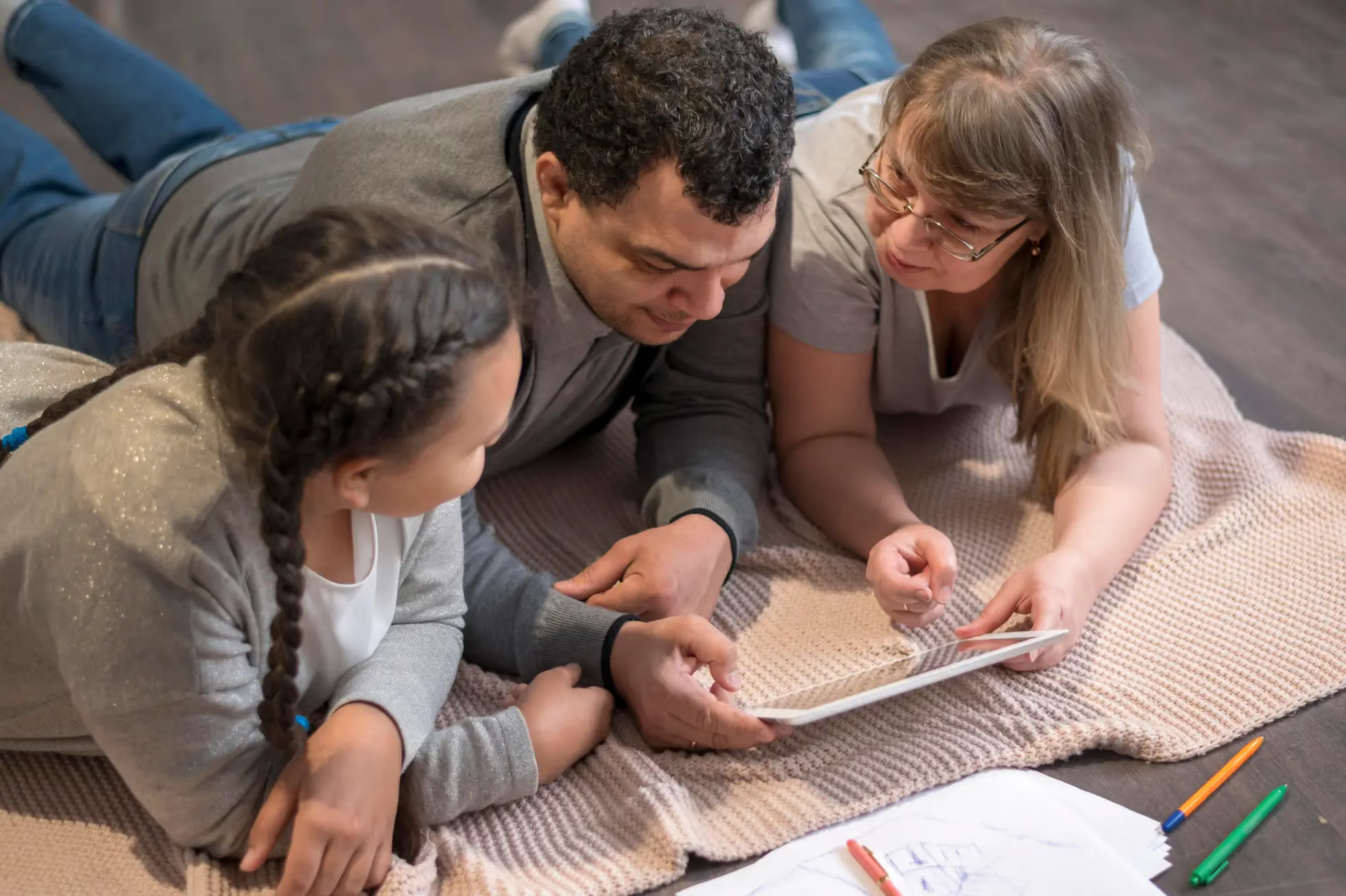
Cozy up with your child to build a fort and read favorite holiday stories together. Add twinkling lights or a strand of garland for a festive touch, and enjoy warm cocoa while you read. Quiet, calm moments like this can help balance out the busy holiday schedule.
Create handmade ornaments
Making holiday ornaments gives your child a creative outlet and a sense of accomplishment. Use paper, felt, or safe craft materials to design decorations together. It’s a fun way to include your child in holiday preparations and build fine motor and artistic skills.

Tips for planning a stress-free holiday
Every autistic child experiences the holidays differently, and that’s okay. Here are a few ways to make your celebrations smoother and more enjoyable for everyone:
- Have an exit plan. If you’re attending a public event, identify a quiet area or plan for breaks in case your child needs a moment to recharge. Calling ahead can help you prepare.
- Bring comfort items. Pack a favorite comfort item or fidget to help your child feel calm and secure. Noise-canceling headphones or sunglasses can also reduce sensory overload.
- Keep routines in mind. Try to maintain familiar mealtimes, bedtimes, and transition cues when possible. Predictability can help your child feel safe and grounded.

Celebrate in your own way
The most meaningful traditions are the ones that work best for your family. Whether you’re crafting ornaments, exploring holiday lights, or sharing stories by the tree, the goal is connection, not perfection.
From all of us at Action Behavior Centers, we wish your family a calm, joyful, and sensory-friendly holiday season filled with laughter and love!
At Action Behavior Centers (ABC), we help children diagnosed with autism spectrum disorder (ASD) reach milestone moments. Compassionate care is at the heart of everything we do, and our highly trained clinicians deliver evidence-based applied behavior analysis (ABA) therapy tailored to each child’s unique needs.
Our autism services include diagnostic support, 1:1 individualized care, parent training, school readiness programs, and Early Intensive Behavioral Intervention (EIBI) across hundreds of centers in Arizona, Colorado, Illinois, Minnesota, North Carolina, and Texas. Because no family should have to wait for help, ABC offers immediate access to care. Contact us today to get started.