



Why families choose ABC
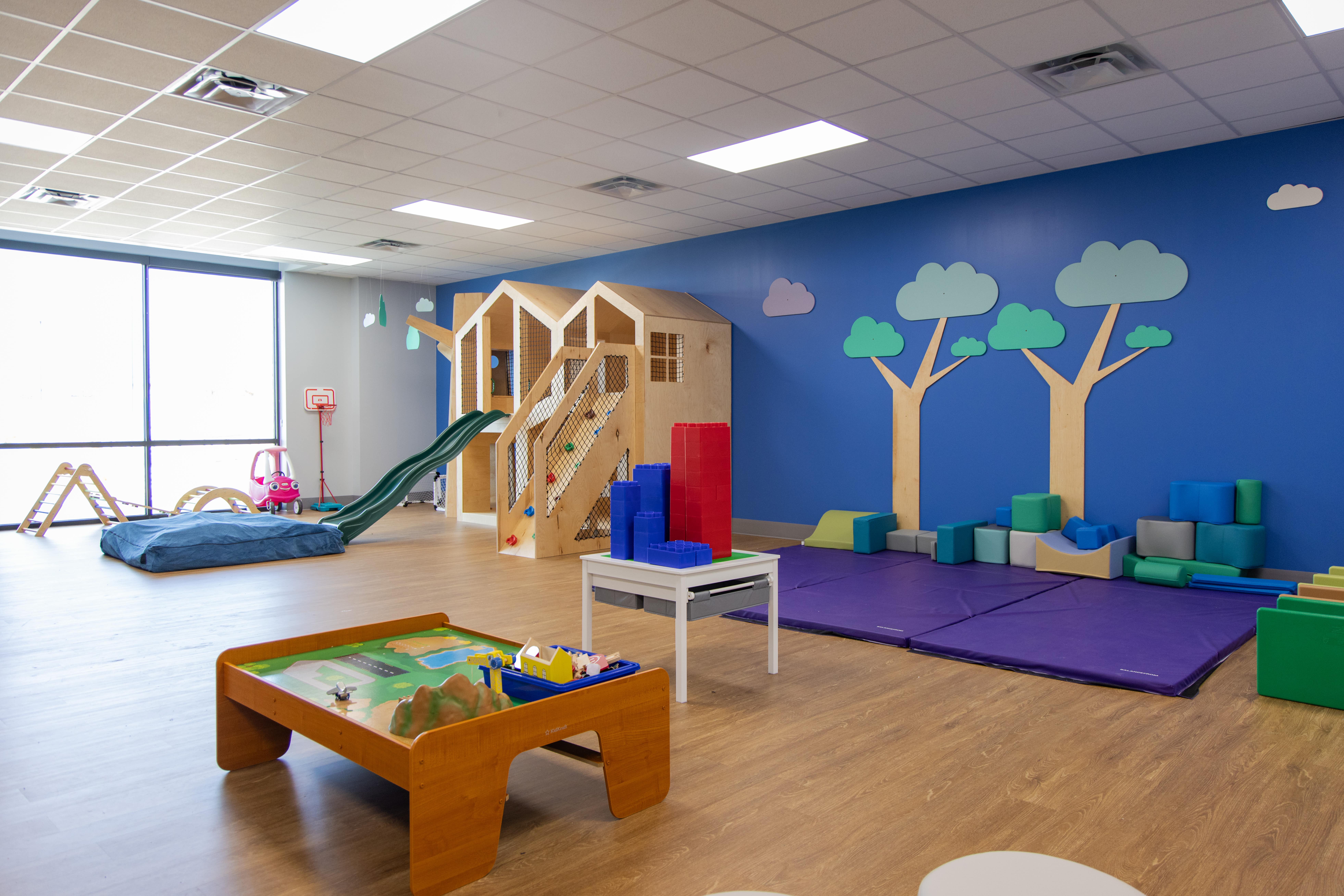
At Action Behavior Centers, our autism services help autistic children learn practical life skills, build independence, and reach milestone moments. We proudly provide evidence-based ABA therapy in a compassionate and supportive environment. Learn more about what sets us apart.






Immediate access to care
Early intervention makes all the difference. With conveniently located autism therapy centers near you, your child can start ABA therapy right away.


Coordinated care
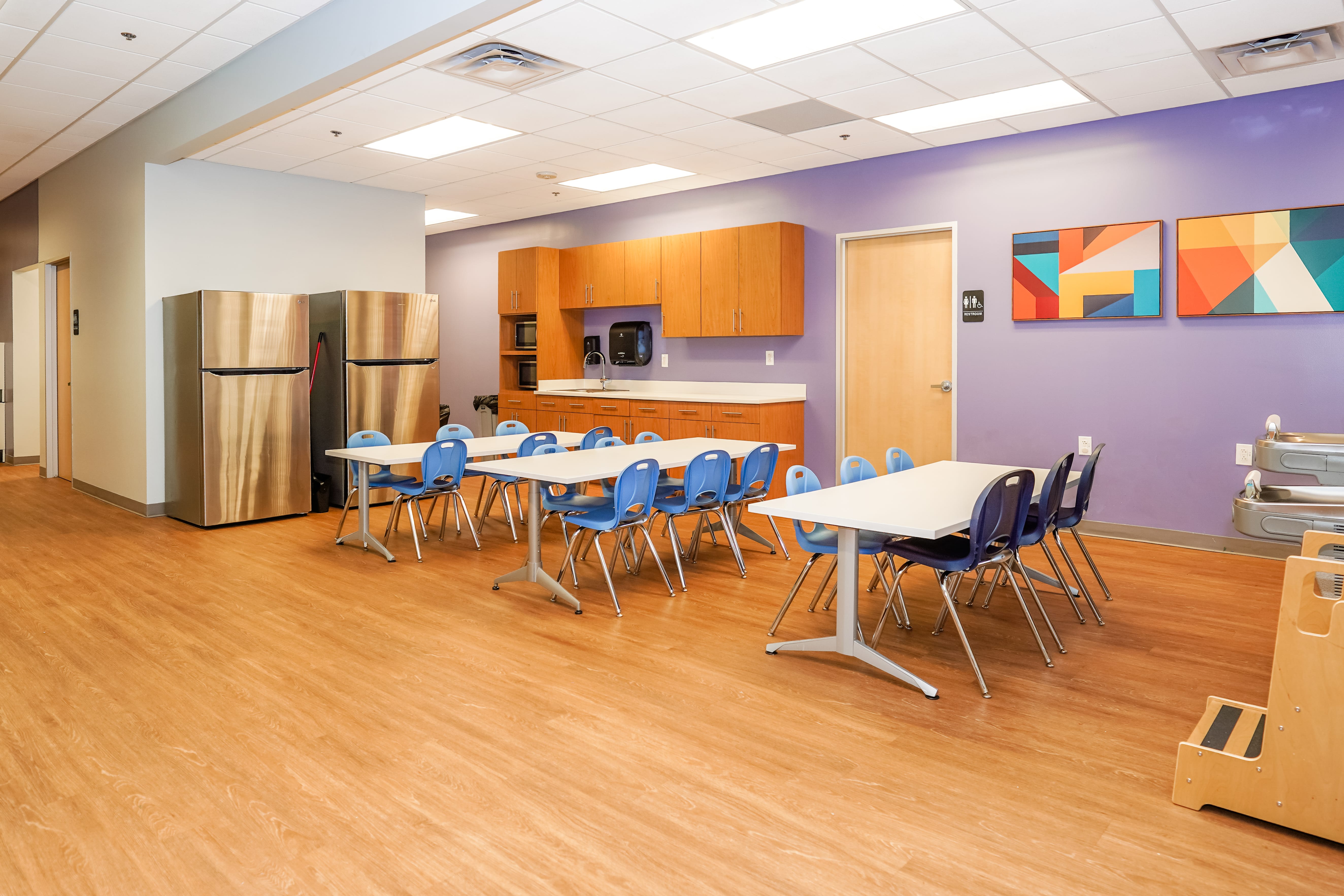
We collaborate with your child’s speech, occupational, feeding, and physical therapists to provide sessions directly in our centers. This allows your child to access other services in a familiar environment while minimizing unnecessary transitions and travel.

Family Guidance
Parents and caregivers play an important role in their child’s growth. Every care plan includes twice-a-month Family Guidance sessions led by a BCBA, giving parents practical strategies they can use during therapy and in daily routines at home.

School readiness support
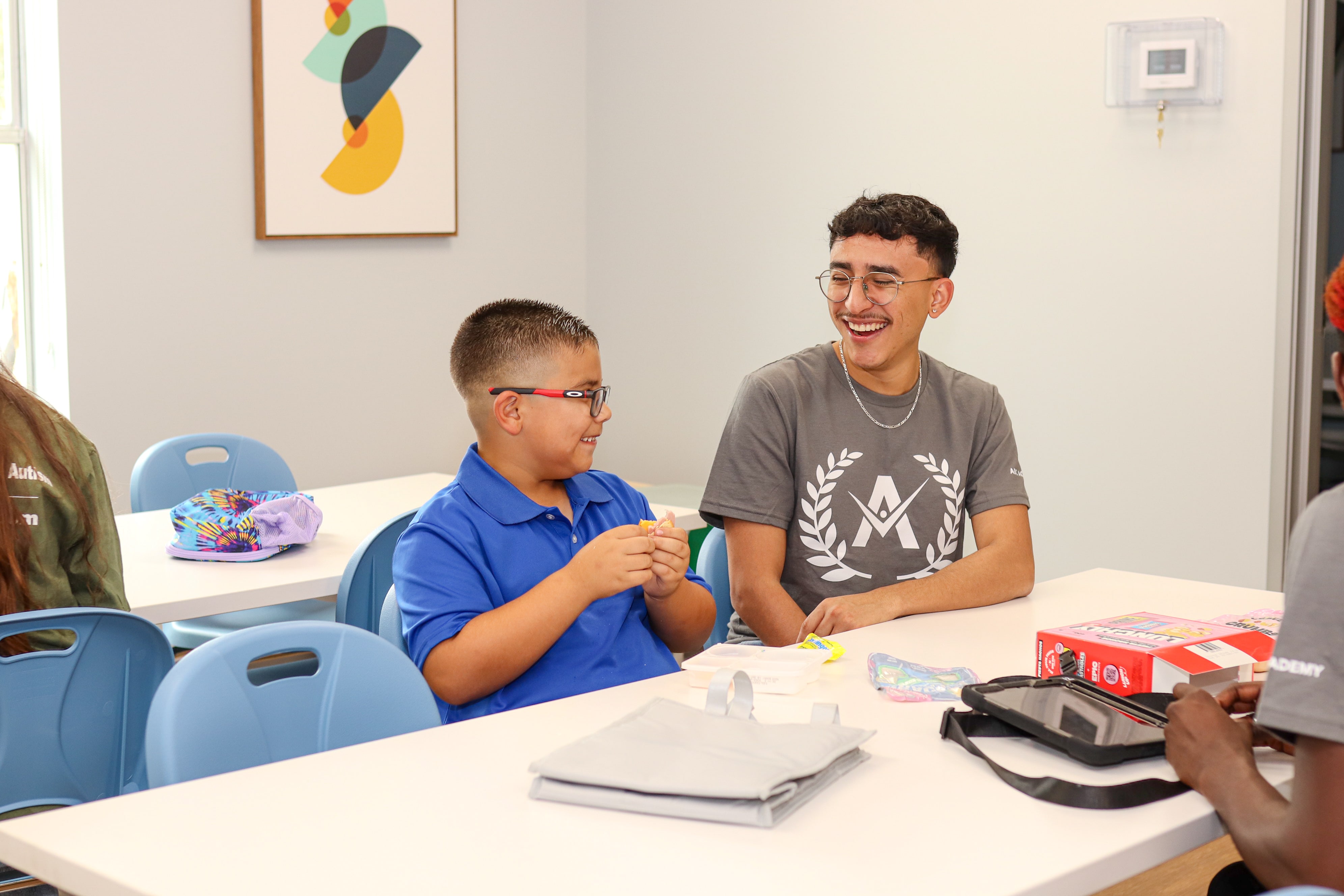
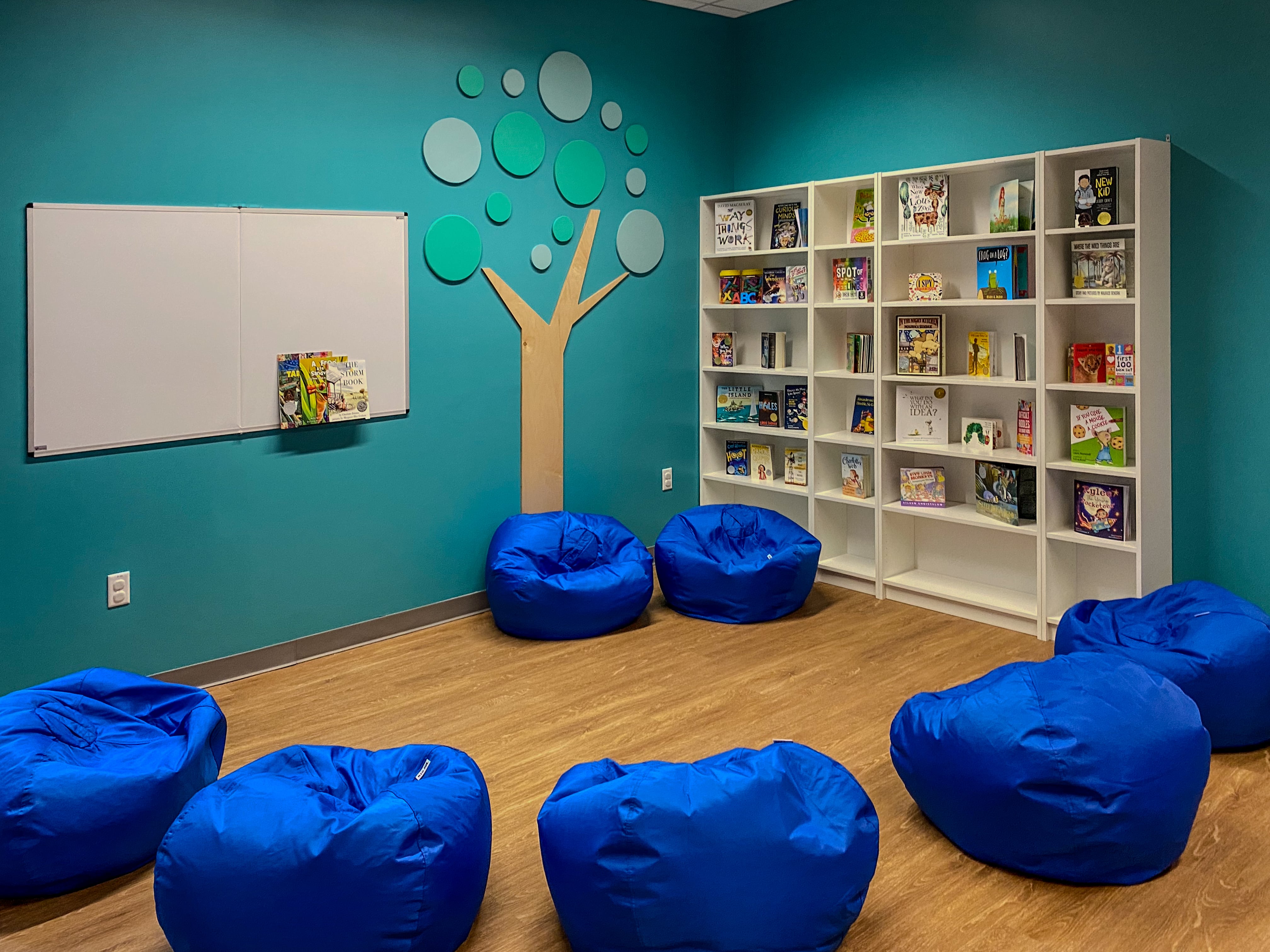
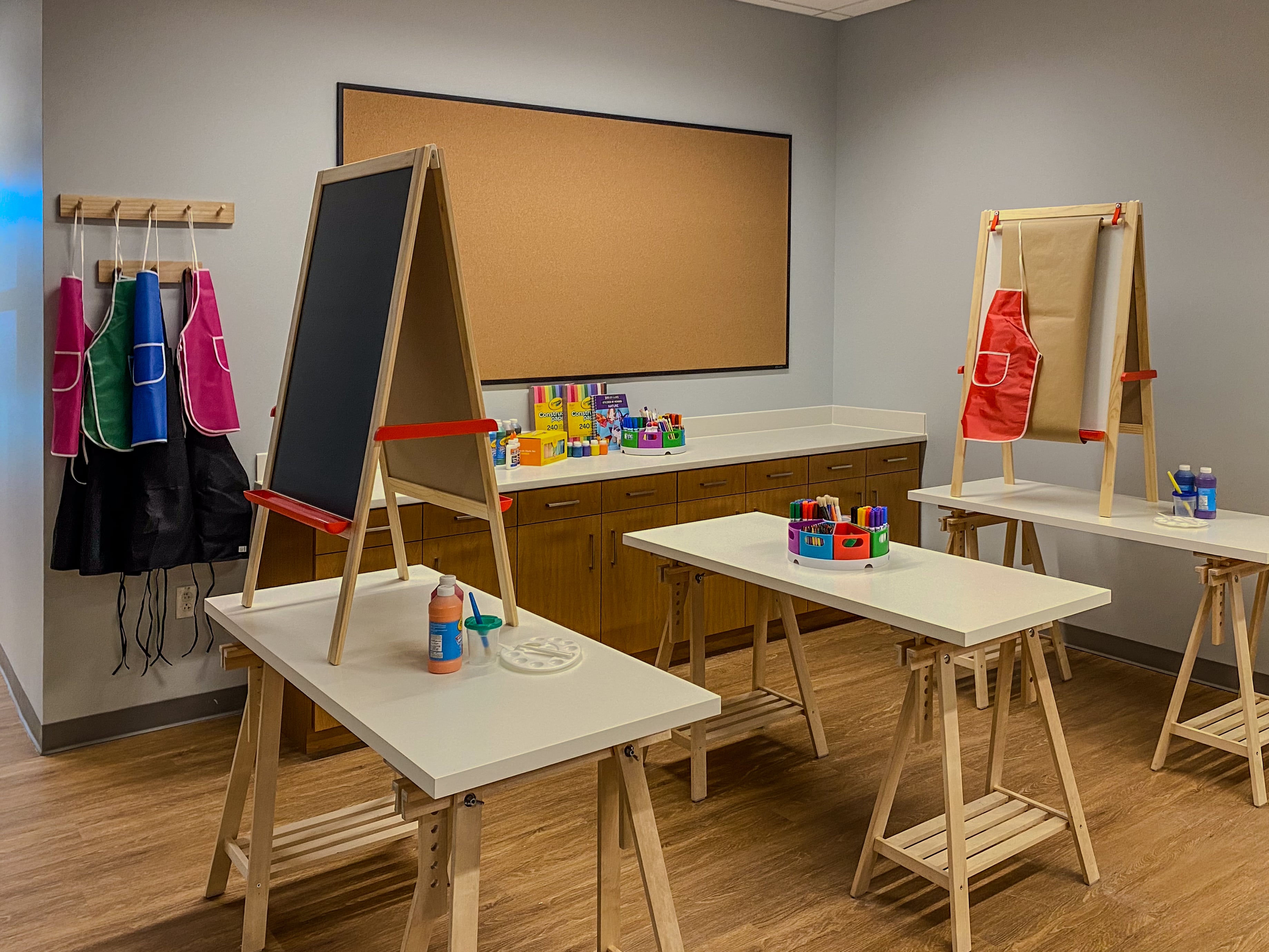
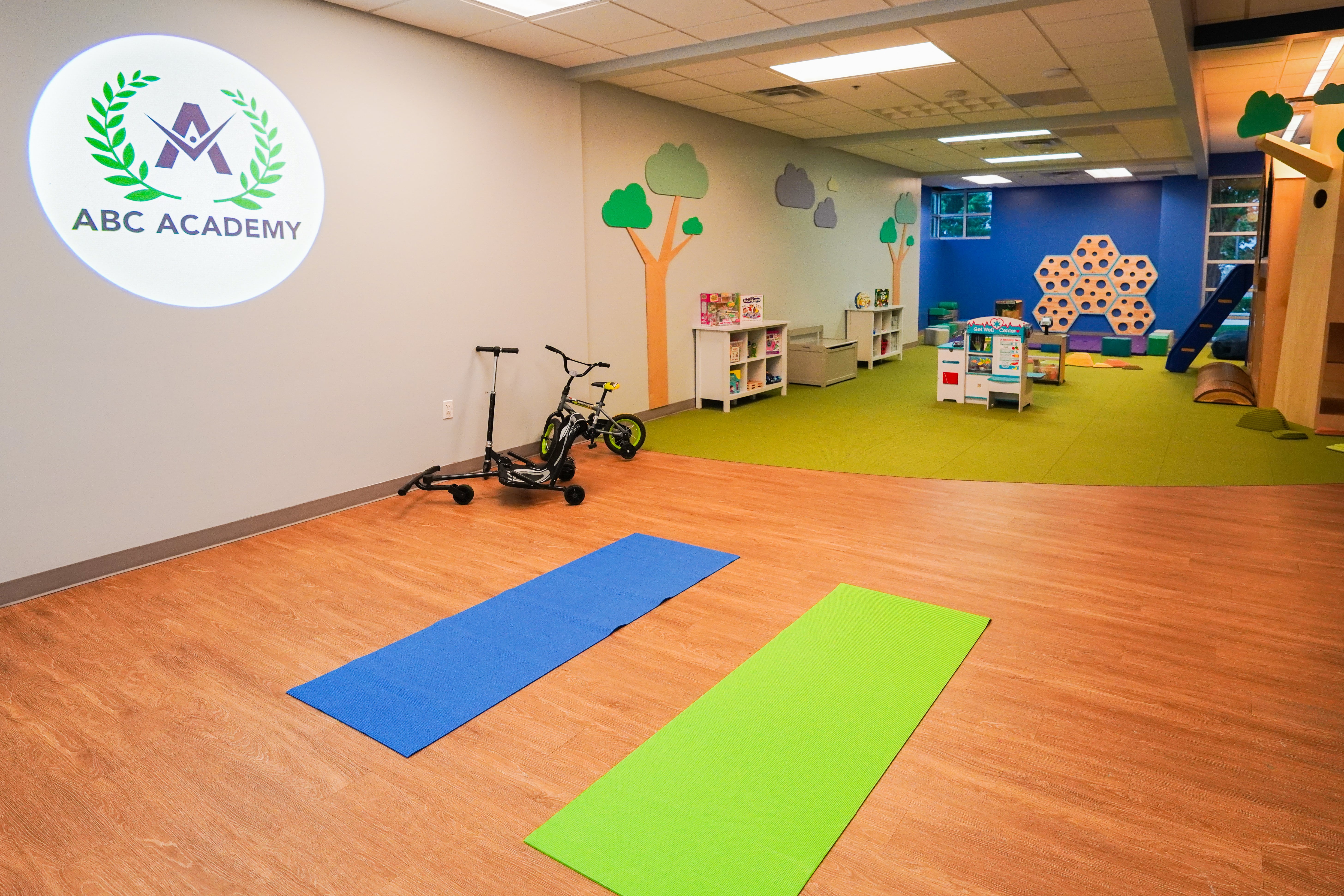
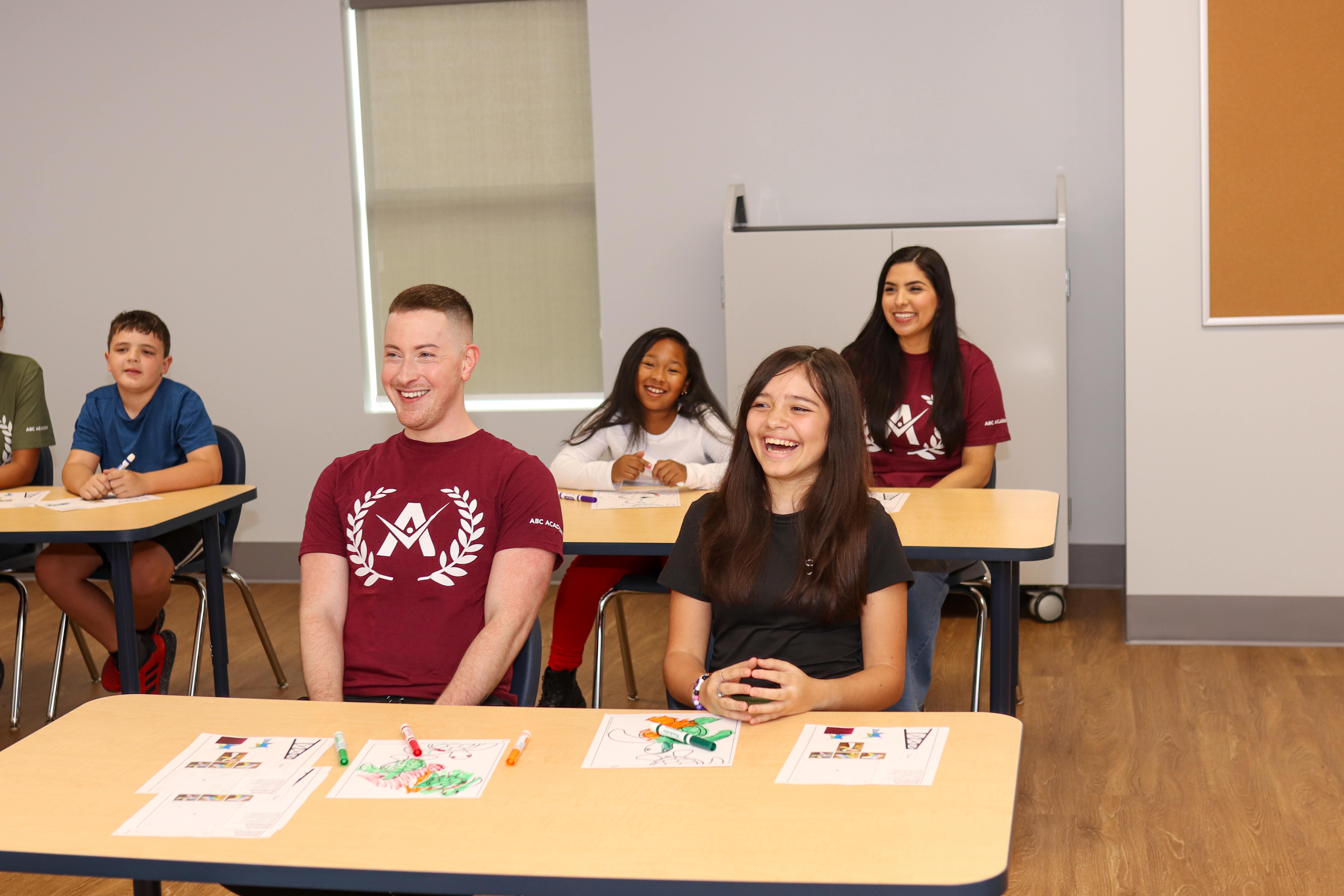
Center-based ABA therapy helps children build the skills they need for school, such as communication, social interaction, and executive function. For school-age children, ABC Academy continues that support by bridging the gap between therapy and the classroom.
Have questions about what ABA therapy insurance coverage includes? Wondering which services are covered, whether prior authorization is required, how benefits are verified, or what financial assistance options may be available? Our insurance specialists are here to help!
If you don't see your insurance listed please contact us to verify. We accept over 120+ insurances and add more each day.






Help your child thrive with ABA therapy.
Complete our online interest form to get matched with a center. We will be in touch soon!

Frequently asked questions at ABC Academy in Aurora, Colorado
How does ABC Academy in Aurora support children who are already in school part-time?
ABC Academy was intentionally designed with flexibility in mind. Many children attend part of the school day at their local elementary school and spend the rest of the day at ABC Academy - The Aurora Academy. This allows children to:
- Continue building foundational skills through ABA therapy
- Practice classroom routines in a smaller, supportive setting
- Generalize what they learn in therapy to real-world school situations
Our clinical team partners with families and schools in the Denver area to make sure children get the right balance of ABA therapy and school participation.
What’s the difference between Early Intervention and ABC Academy?
Think of it like building a house:
- Early Intervention: This stage is like laying the foundation and framing. We focus on core skills such as asking for help, making choices, and building communication so children can get their basic needs met.
- ABC Academy: This stage is like decorating the inside and adding the finishing touches. Here, children build on their early skills, expand their language, and practice independence in settings that look and feel like school. The goal is to gradually reduce the level of support children need so they are ready to succeed in a classroom.
What steps do you take to help children get ready for school?
At The Aurora Academy, we have a clear process for helping autistic children prepare for school. This includes using data to track progress, making changes to their ABA therapy schedule, and helping them spend more time in school or group settings as they get closer to transitioning to the classroom.
Learn more about ABA therapy & autism
View all FAQs
Does ABA therapy work?
Yes! Decades of research show that applied behavior analysis (ABA) therapy is an effective, evidence-based treatment for children diagnosed with autism spectrum disorder (ASD). Studies demonstrate that children who receive intensive ABA (typically 20–40 hours per week over two or more years) make significant progress in communication, social interaction, and daily living skills. Many are able to participate in school and community activities alongside their peers.
While every child responds differently, ABA therapy remains one of the most studied and proven approaches for supporting growth and development.

What are individualized goals in ABA therapy?
Every child’s applied behavior analysis (ABA) treatment is personalized. BCBAs® assess each child’s strengths and needs, collaborate with families, and set measurable goals.
Examples of measurable goals include:
- Increasing spoken requests for toys from five to 10 times a day
- Initiating play with peers at least three times daily
- Following handwashing steps in four out of five opportunities
- Identifying 10 new household objects by name

How can ABA therapy help my child?
Every child’s journey is unique, and applied behavior analysis (ABA) therapy is personalized to meet your family’s priorities. At ABC, we focus on helping children diagnosed with autism build practical, everyday skills while supporting families along the way.
ABA therapy can help your child grow in:
- Communication: Using words, gestures, or devices to express needs and connect with others
- School readiness: Learning to imitate, follow routines, and build pre-academic skills
- Behavior support: Finding safe, effective ways to meet needs while reducing unsafe behaviors like aggression, self-injury, or elopement
- Social skills: Playing with peers, sharing, and taking turns
- Self-care: Practicing routines like brushing teeth, washing hands, and cleaning up toys
ABC’s clinical research shows strong outcomes: 86% of families report major reductions in challenging behaviors within the first year of therapy, along with continued progress as goals evolve.

Is ABA therapy effective for autism?
Yes! Every autistic child is unique, and some children experience more significant progress with applied behavior analysis (ABA) therapy than others. However, studies show that children who receive two or more years of intensive behavioral interventions, including ABA therapy, can often participate in school and social activities at the same level as their peers.
Stay connected with our family newsletter



Market Leader
